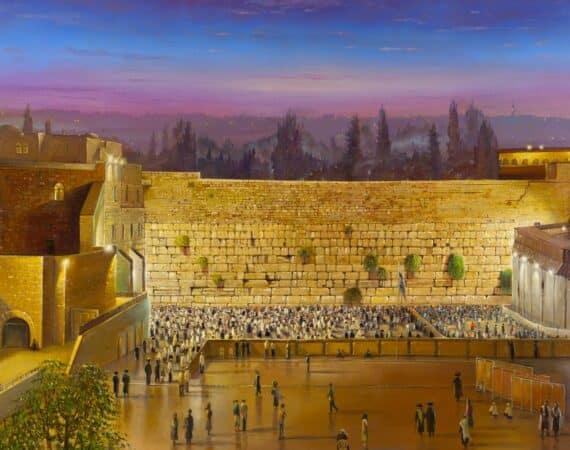
Unveiling the Meaning Behind Collecting Jerusalem Paintings Collecting Jerusalem Paintings is an art form that has been practiced for centuries in Israel. Jerusalem Paintings have been used to represent, honor and pay homage to the stories, histories, and cultures that define one of the oldest cities in the world. Paintings...

Collecting Jerusalem Paintings: Aesthetic, Cultural & Investment Values
Collecting Jerusalem paintings can be a meaningful and rewarding pursuit for several reasons. Some of the key reasons include: 1. Aesthetic value: Painting of Jerusalem can be a beautiful and visually striking addition to any room in the house. 2. Cultural value: Jerusalem is a city with a rich history...

What is the difference between Abstract and Traditional Jerusalem art?
The main difference between abstract Jerusalem paintings and traditional Jerusalem art is in the style and approach of the artwork. Traditional Jerusalem art is characterized by its realistic and detailed depictions of the city, its landmarks, and its people. These paintings often focus on capturing the physical beauty and historic...
What are the most popular paintings of Jerusalem?
Jerusalem is a city with a rich history and cultural heritage, and as such, it has been a popular subject for paintings throughout history. Some of the most popular paintings of Jerusalem include: "The Tower of David" by Gustav Bauernfeind: This painting is a classic representation of the Old City...

What are the most known modern Judaica paintings?
Modern Judaica paintings can include a wide range of styles, mediums, and themes that are related to Jewish religion, culture, and history. Some of the most well-known modern Judaica paintings include: "The Jewish Wedding" by Marc Chagall: This painting is considered one of Chagall's most iconic works, and depicts a...
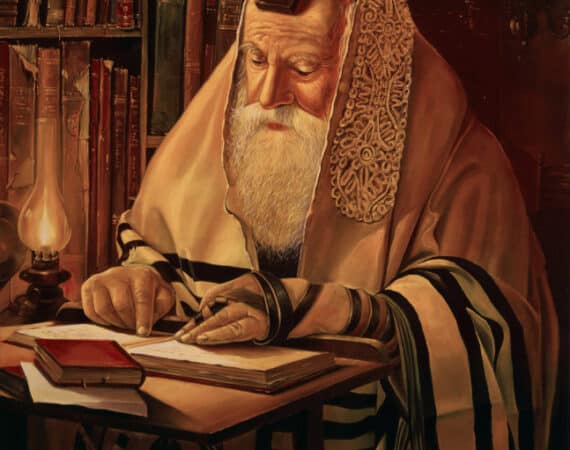
What is a Judaica Art?
Judaica art refers to art and craft objects that are specifically related to Jewish religion, culture, and history. These can include a wide range of items such as: Ritual objects: such as mezuzahs, menorahs, seder plates, and torah crowns. Synagogue art: such as ark curtains, torah covers, and bimah ornaments....

What are the classic surrealism Hebrew paintings?
Hebrew Surrealism is a term used to describe the work of a group of Jewish artists and writers who were active in the 1930s and 1940s and who were influenced by the Surrealist movement. Some of the key figures in Hebrew Surrealism include: Yosl Bergner: A painter and graphic artist...

Exploring Modern Israeli Art: From The “Eretz Israel” School to Contemporary Artwork
Modern Israeli art refers to the visual art produced in Israel from the late 19th century to the present day. It encompasses a wide range of styles, mediums and movements, reflecting the diverse cultural and political landscape of the country. Some of the key movements and styles in modern Israeli...

Why important to collect Contemporary Jerusalem paintings?
Contemporary Jerusalem paintings can be considered important for a variety of reasons: Historical Significance: Jerusalem is a city with a rich history and cultural heritage. Contemporary paintings of Jerusalem can capture the unique character and atmosphere of the city, and serve as a visual record of its current state. Cultural...
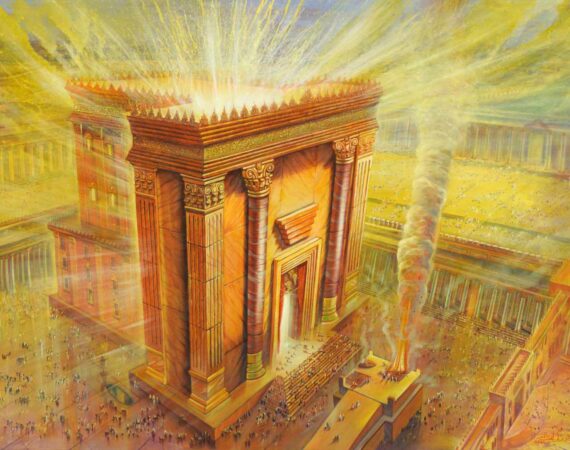
Story of the First and Second Jerusalem Temples (Beis Hamikdash)
The Temple of Jerusalem was the spiritual center of ancient Jewish life, first represented by Solomon’s Temple and later by the Second Temple built after the Babylonian exile. The First and Second Temples of Jerusalem - known in Hebrew as the Beit Hamikdash or Beis Hamikdash - stood at the...
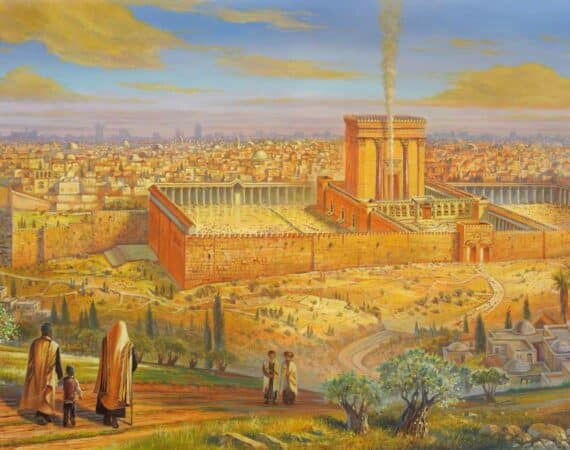
Ancient Jerusalem Art & Historical Paintings of the Holy City
Ancient Jerusalem art offers a remarkable visual journey through one of the world's oldest and most frequently imagined cities. For centuries, Jerusalem has been represented in mosaics, maps, manuscripts, engravings, drawings, paintings, photographs and contemporary art. Some artists worked from direct observation. Others reconstructed ancient Jerusalem from biblical texts, historical...

Jewish Art vs Judaica. What is the difference?
Jewish art and Judaica are often used interchangeably, but they actually refer to two different things. Jewish art refers to any form of art created by Jews or that deals with Jewish themes, whereas Judaica refers to objects used in Jewish religious rituals or for decorative purposes. Jewish art can...
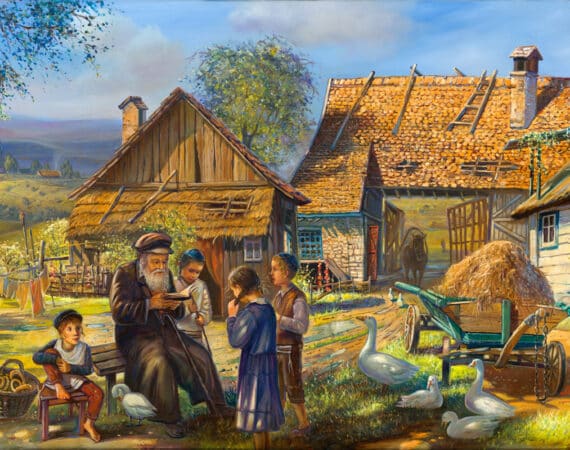
Exploring the Rich Tapestry of Jewish Art: A Journey into History, Culture, and Creativity
Jewish art encompasses a wide range of mediums, styles, and themes, reflecting the diverse experiences and traditions of the Jewish people. From ancient illuminated manuscripts and synagogues adorned with intricate designs, to contemporary paintings, sculptures, and installations, Jewish art has played a central role in the religious and cultural life...
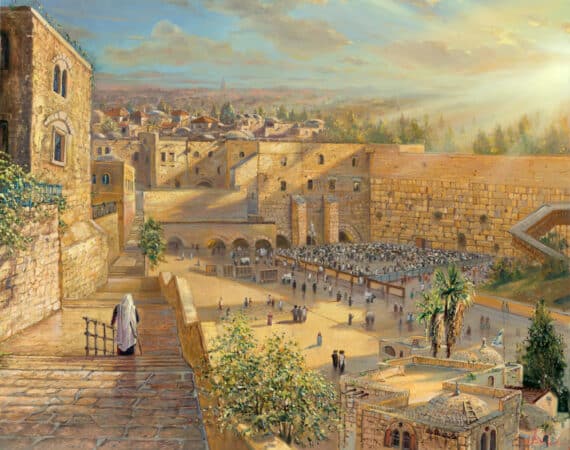
Jerusalem Paintings
Jerusalem is a city with a rich history and cultural heritage, and as such, it has been a popular subject for artists throughout the centuries. Many paintings of Jerusalem have been created, depicting a wide range of scenes and perspectives of the city. Some examples of Jerusalem paintings include those...
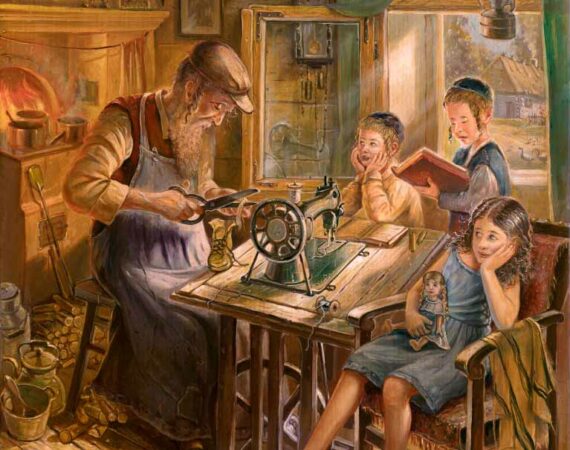
Judaica Art & Jewish Paintings: Symbols, Traditions & Meaning
Judaica art brings Jewish history, faith, tradition, and identity into visual form. It can include ceremonial objects such as menorahs and Kiddush cups, but it can also describe paintings and artwork inspired by Jerusalem, Torah, Shabbat, Jewish holidays, rabbis, Jewish families, and centuries of Jewish life. Jewish artists have approached...
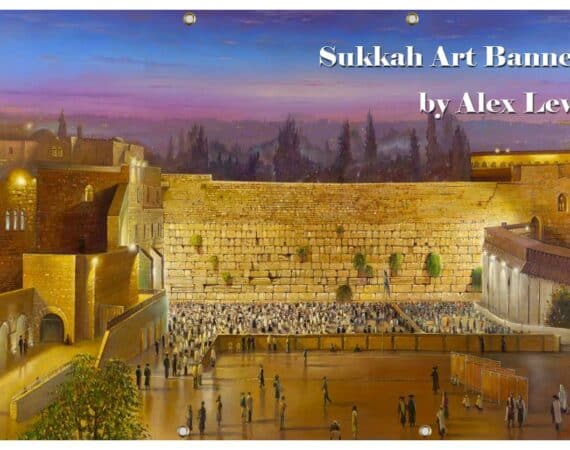
Sukkah Decorations for the Sukkah
"Sukkah" Succah (סוכה) is a Hebrew word that means “booth” or “tabernacle.” The word is used in the Bible to describe the portable tent where Moses met with God at Mount Sinai. During the festival of Sukkot, Jews build a sukkah, which is a small hut made of branches, leaves,...

Jerusalem Paintings Gallery
The art world has long been fascinated by the city of Jerusalem, which was captured by Israel in 1967. Artists have often used this location for inspiration, creating some of their best known works. The artworks in this collection were created by artists living in Jerusalem, Israel. They are all...
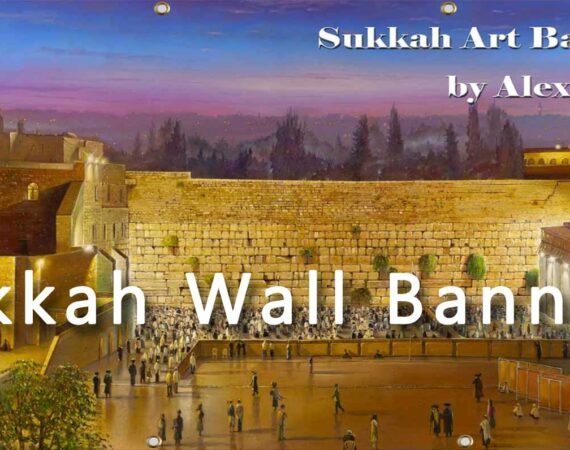
Sukkah Decorations for Succot
Sukkot is an annual Jewish holiday that celebrates God’s provision of manna and water in the desert after the Exodus from Egypt. The holiday lasts seven days, beginning on the 15th day of the month of Tishrei (September/October) and ending on the 22nd day of the same month. 4. During...
10 Sukkah Decorations for the Succot Holiday
Sukkot is an eight day festival that celebrates God’s provision for his people during the year. It begins on the 15th of Tishrei in the fall and ends on the 25th of Tisri in the spring. A Sukkah is a temporary structure used during the festival of Sukkot. Sukkot is...
Jewish Art Through History: Ancient, Medieval & Modern Jewish Paintings
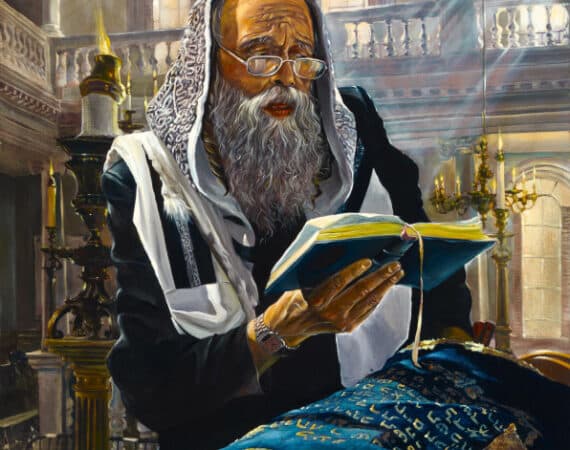
Jewish art spans thousands of years of history and includes far more than paintings alone. Ancient synagogue mosaics, illuminated manuscripts, Torah ornaments, ceremonial objects, architecture, sculpture, photography, and contemporary Jewish paintings all form part of a remarkably diverse artistic tradition. There is no single style that defines Jewish art. Jewish...