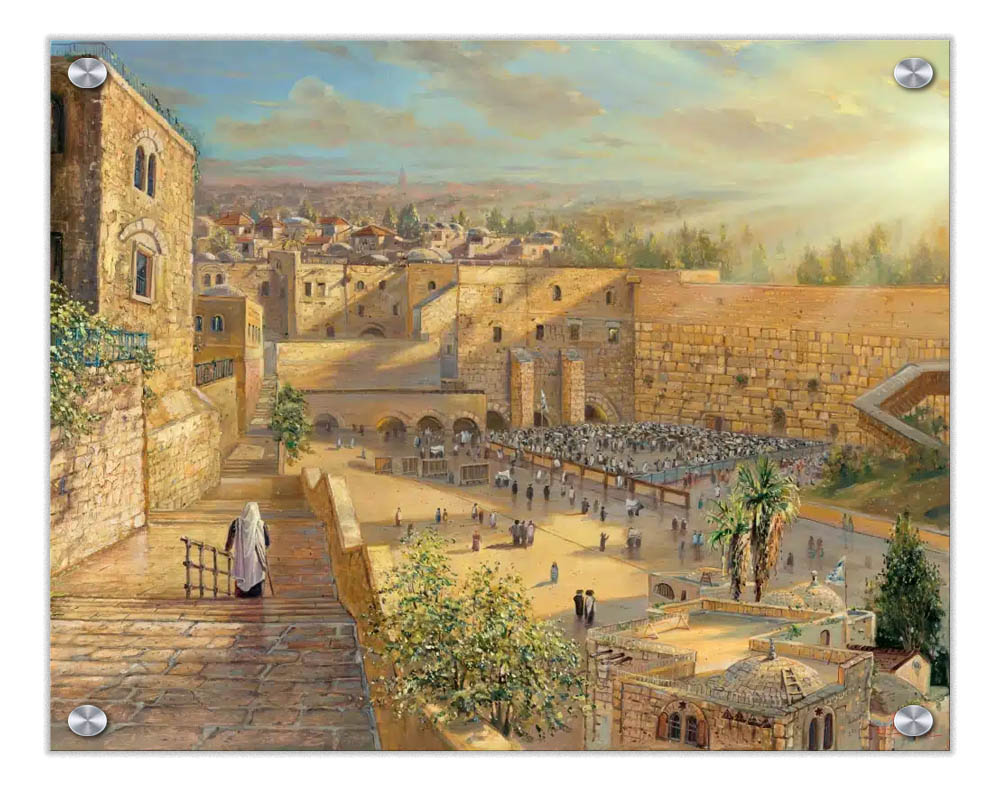
Exploring the sacred art surrounding the Kotel and Kosel reveals not only a deep cultural and spiritual connection but also a rich tapestry of artistic expression. These iconic symbols of faith and history are captured vividly in paintings that tell stories of devotion, resilience, and beauty. Join us as we delve into the world of Kotel and Kosel art, discovering the differences and the profound meanings they hold.
Discovering the Spirit: Kotel Paintings Unveiled
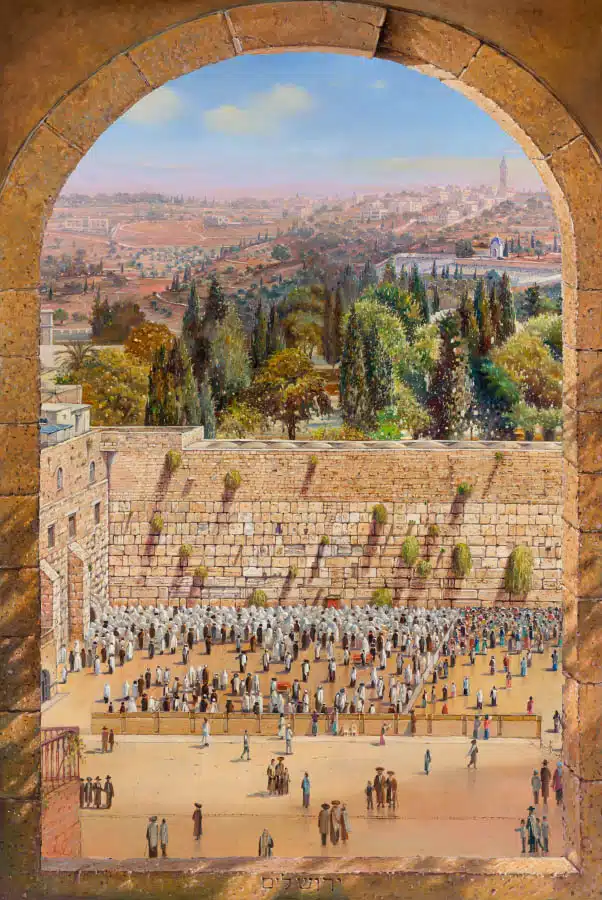
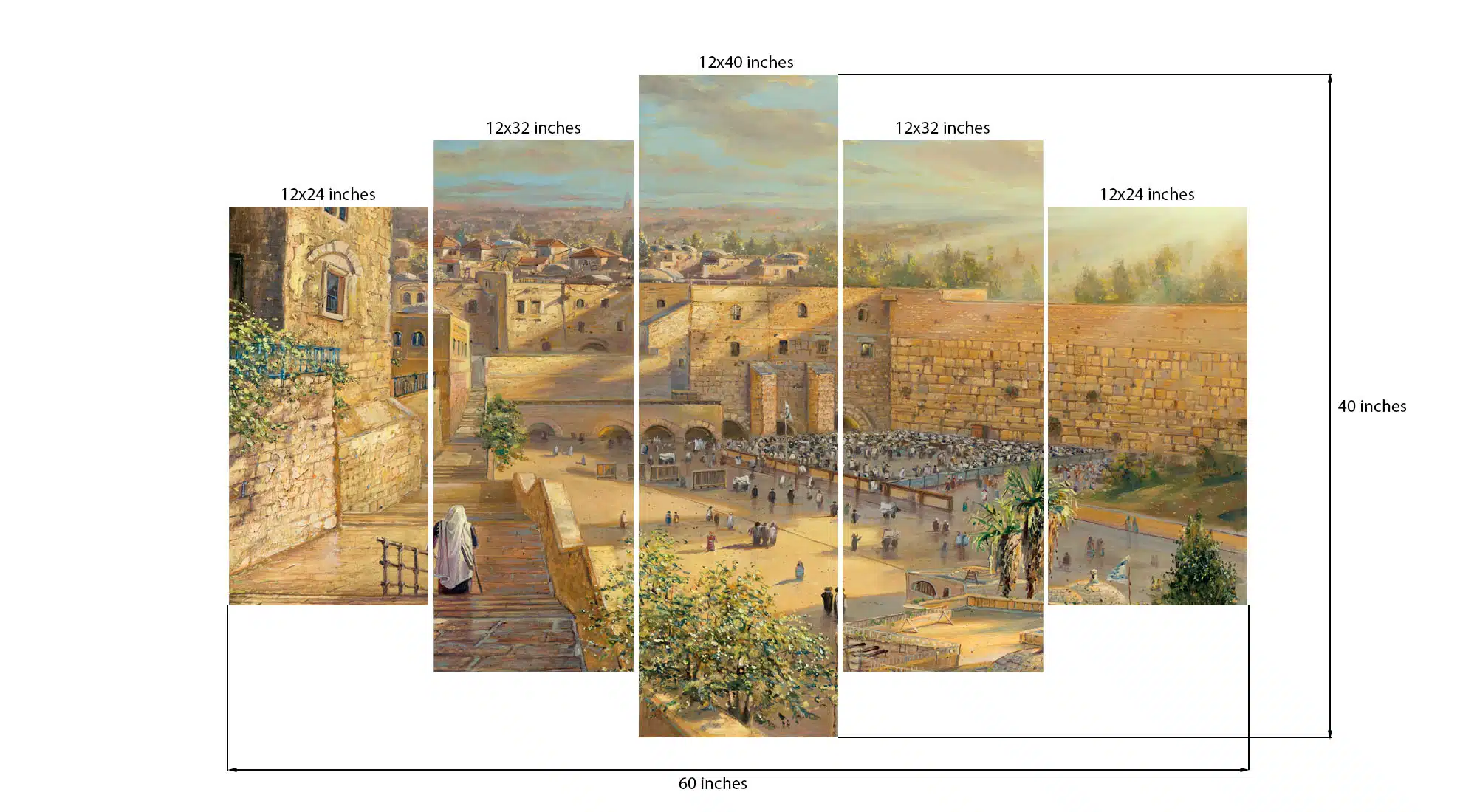
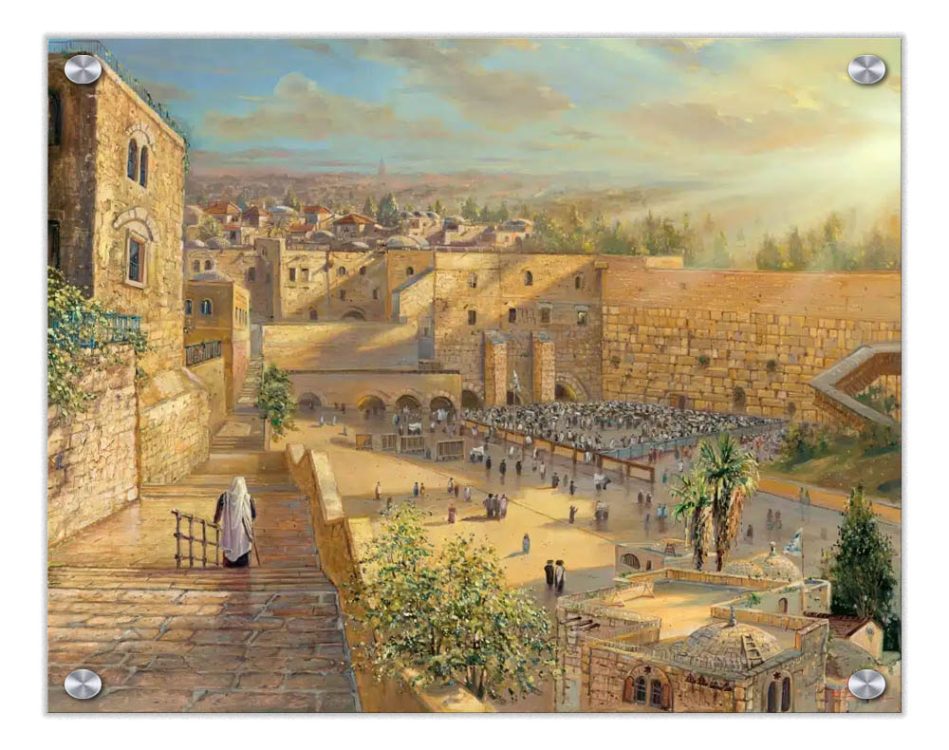
Kotel paintings are more than mere depictions of an ancient wall; they are vibrant expressions of spirituality and history. Artists often choose this subject to explore themes of faith, tradition, and continuity. The Kotel, or Western Wall, stands as a testament to the enduring spirit of the Jewish people, and paintings often capture its timeless essence, reflecting on the prayers and hopes whispered into its stones.
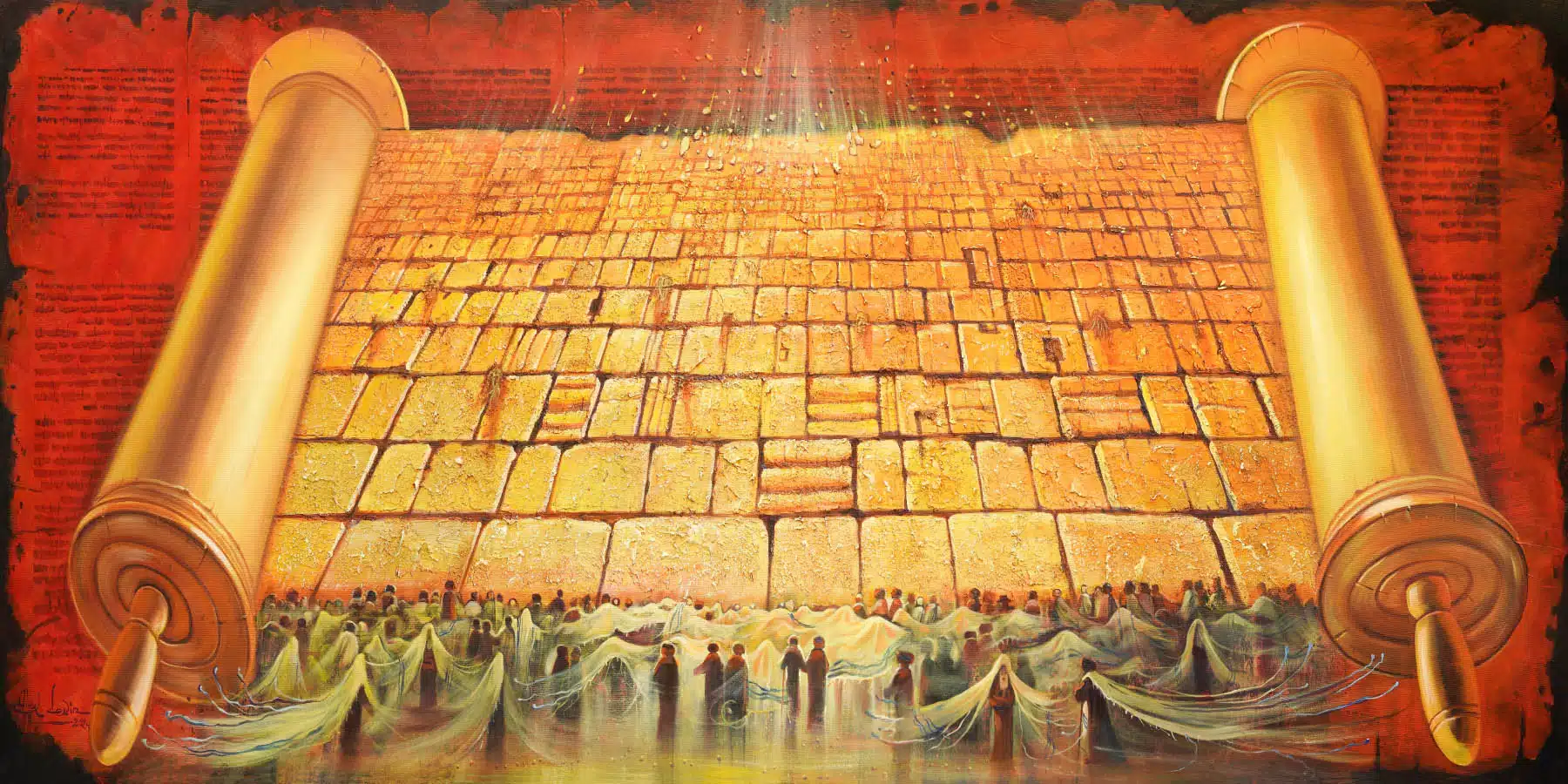
The colors and styles used in Kotel paintings vary widely, from realistic renditions to abstract interpretations. Some artists focus on the wall’s stone texture, while others emphasize the human emotions surrounding it. Each painting invites viewers to connect with the spiritual energy that pervades this sacred place, offering a window into the soul’s yearning for connection and meaning.
Moreover, the Kotel as a subject presents a unique challenge for artists. Capturing its physical presence is one thing, but conveying the profound spiritual atmosphere is another. Many paintings strive to reflect the interplay of light and shadow, symbolizing hope and reflection. Each brushstroke becomes a silent prayer, inviting observers to pause and consider the sacredness of the moment.
Kosel vs. Kotel: Understanding the Artistic Divide
While the terms Kotel and Kosel are often used interchangeably, understanding their nuances can enrich one’s appreciation of the art associated with them. The Kotel, the more commonly used term in Hebrew, refers to the Western Wall in Jerusalem. It is a place of pilgrimage, prayer, and cultural significance for Jews worldwide. Paintings of the Kotel often focus on these aspects, highlighting the wall’s historical resilience and spiritual symbolism.
On the other hand, the term Kosel is more frequently used in Yiddish and reflects the Ashkenazi Jewish tradition. The difference in terminology can also hint at a divergence in artistic interpretation and cultural perspective. Kosel paintings may emphasize community, tradition, and the personal narratives of those who visit. These artworks might explore themes of diaspora and return, using the Kosel as a metaphor for cultural identity and continuity.
Artists working with the Kosel theme might focus on the human stories connected to the wall, portraying scenes of prayer, celebration, or personal reflection. This divergence in focus offers viewers a varied landscape of interpretation, providing multiple lenses through which to understand and appreciate this sacred site.
In exploring the world of Kotel and Kosel paintings, we encounter more than artistic expression; we find a dialogue between history, spirituality, and identity. Each painting is a journey, a story waiting to be told, and an invitation to connect with something greater. Whether you are drawn to the Kotel’s timeless spirit or the Kosel’s rich cultural narratives, these artworks offer a profound and enriching experience, highlighting the enduring power of art to inspire and unite us.
Paintings of Kotel