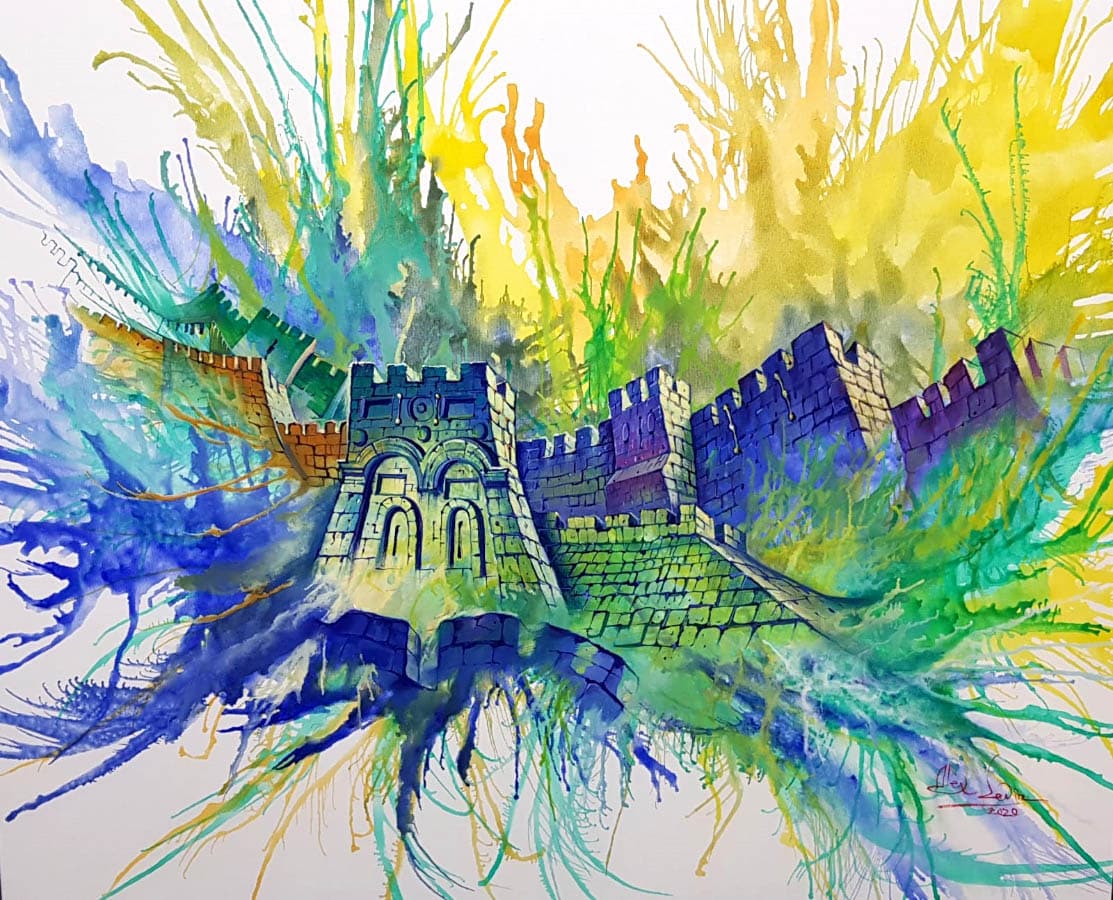
The Golden Gate of Jerusalem is one of the most mysterious and spiritually significant landmarks in the Old City. Located in the eastern wall of Jerusalem, directly facing the Mount of Olives, the sealed double gateway has inspired Jewish, Christian, and Muslim traditions for centuries.
In Hebrew, the gate is commonly associated with Sha’ar HaRachamim, meaning the Gate of Mercy. It is also known as the Eastern Gate and, in Arabic, as Bab al-Rahma.
Unlike Jerusalem’s active Old City gates, the Golden Gate is sealed. Its closed arches, ancient location, and connection with religious traditions about redemption have made it one of the most recognizable and symbolic gates of Jerusalem.

What Is the Golden Gate of Jerusalem?
The Golden Gate is a historic gateway built into the eastern wall of Jerusalem’s Old City, beside the Temple Mount and facing the Mount of Olives.
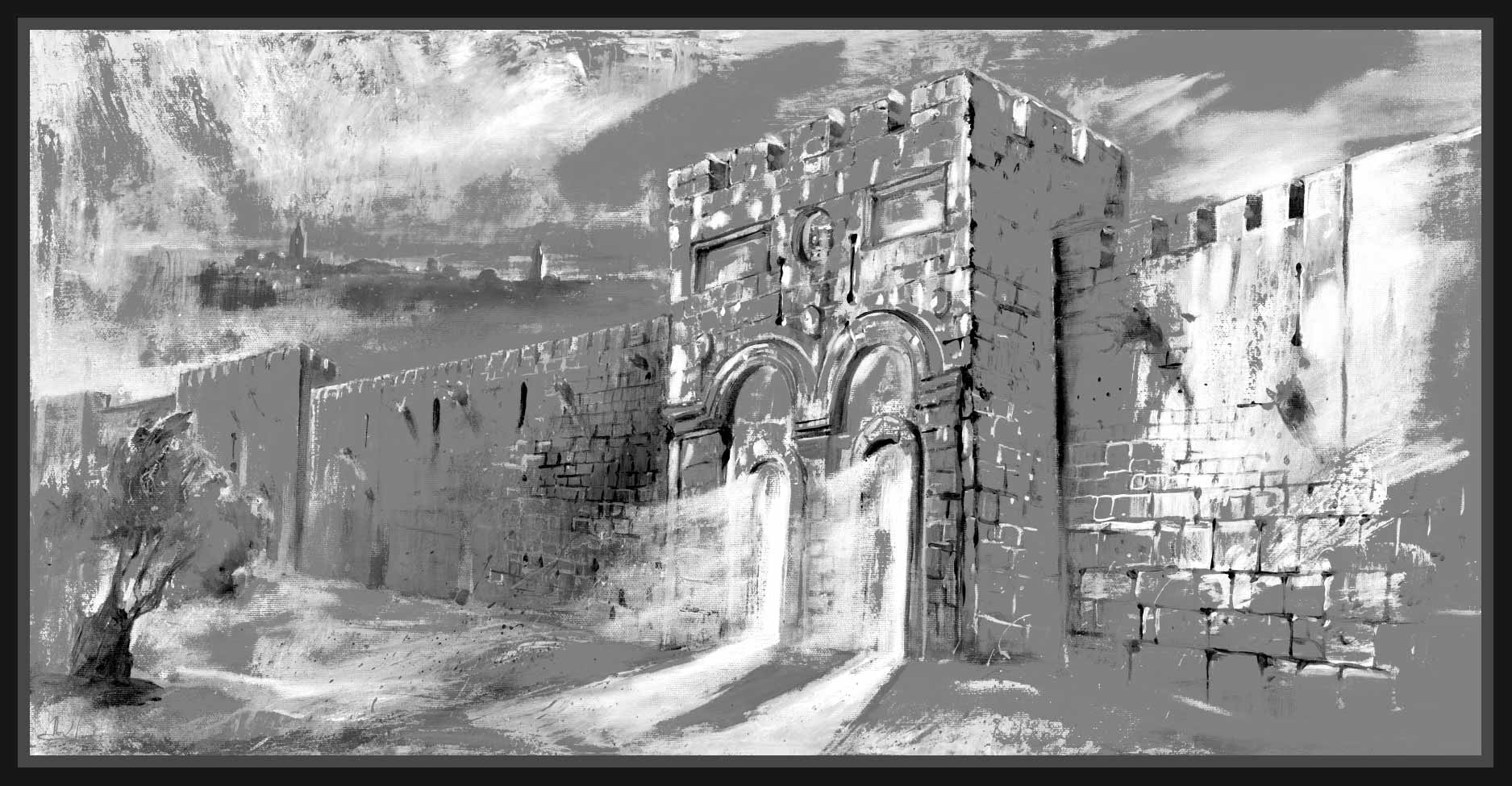
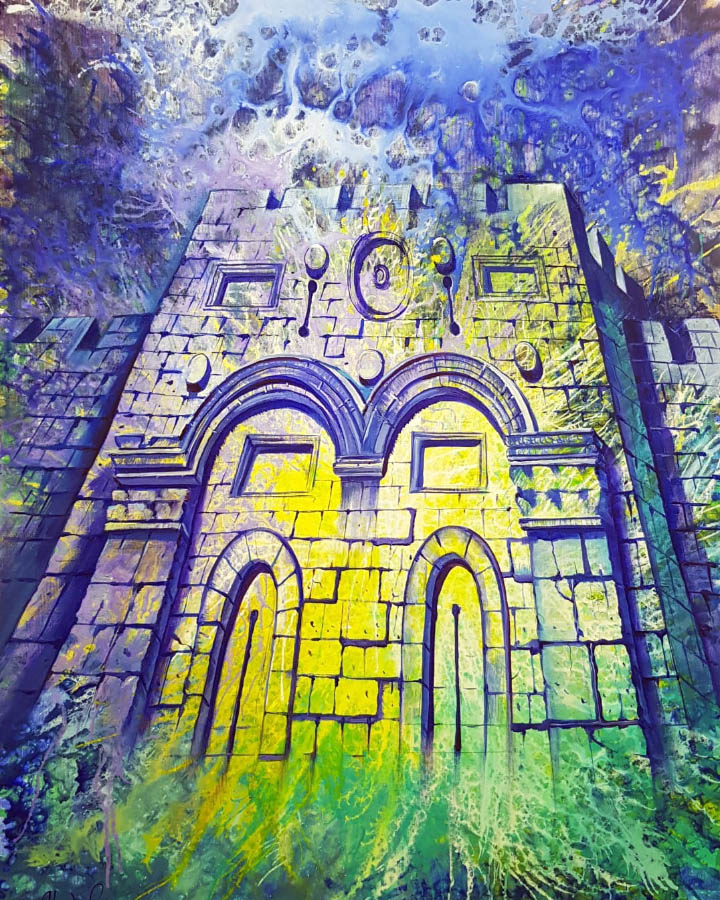
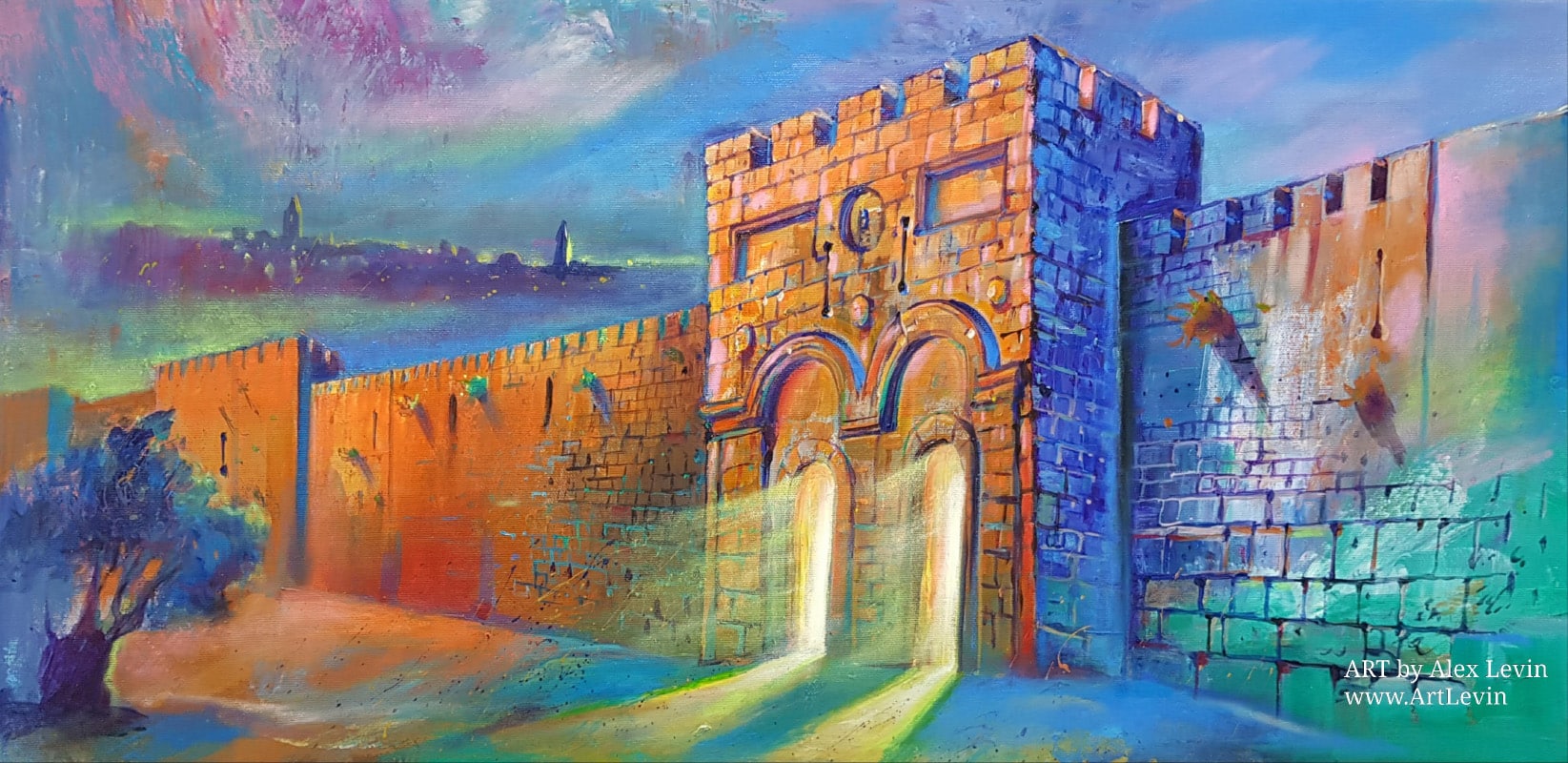
The visible structure consists of two arched entrances that have been blocked with stone. From outside the Old City, the gate can be seen prominently above the Kidron Valley.
Its location is particularly important because the gate stands along the eastern side of the Temple Mount, close to the area associated with the ancient Jewish Temples.
For this reason, the Golden Gate occupies an unusual place where archaeology, Jerusalem history, Jewish tradition, religious belief, and artistic imagination all meet.
Where Is the Golden Gate Located?
The Golden Gate is located on the eastern wall of Jerusalem’s Old City.
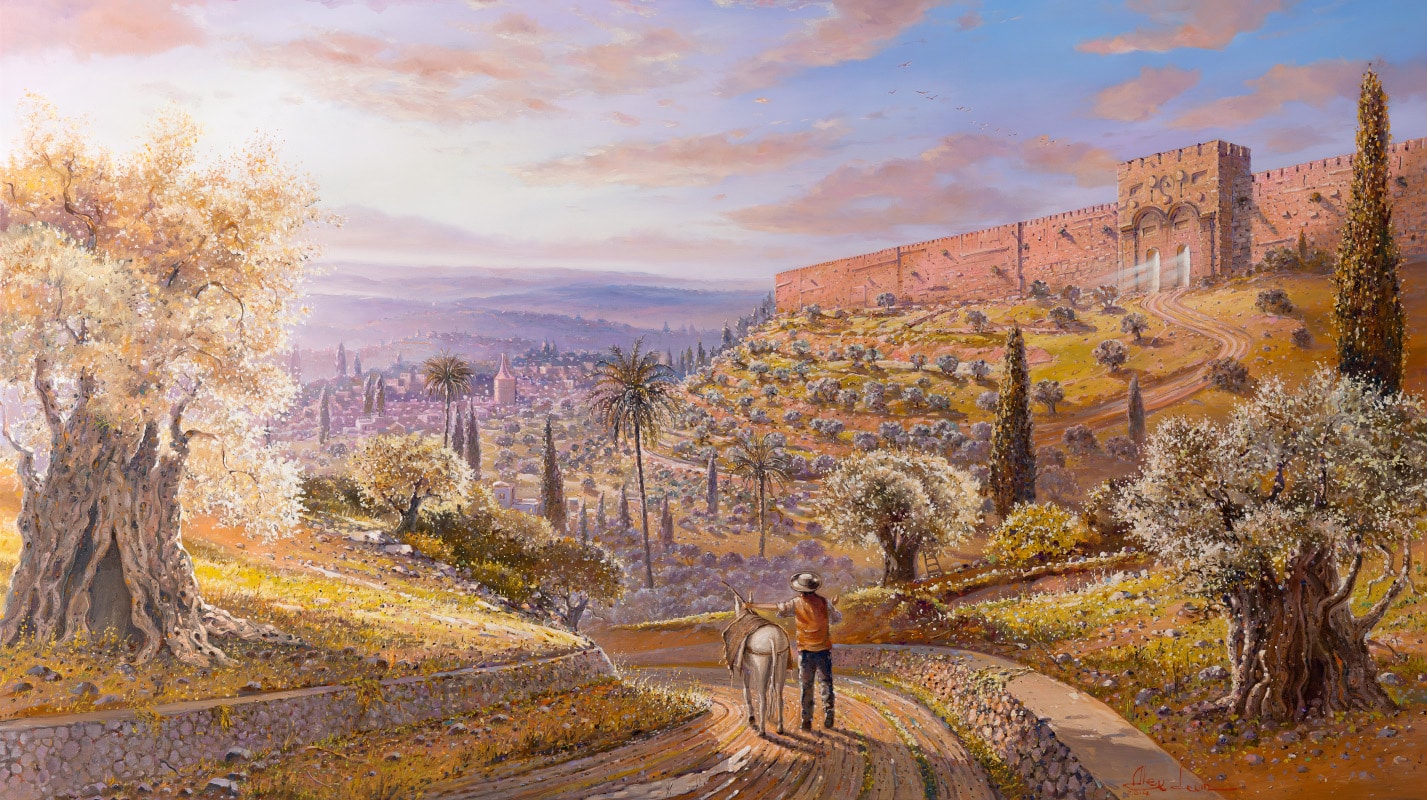
It faces the Mount of Olives across the Kidron Valley and is positioned along the eastern edge of the Temple Mount.
This location provides one of Jerusalem’s most dramatic historic views. From the Mount of Olives and nearby areas, visitors can look toward the Old City walls, the Golden Gate, and the Temple Mount beyond them.
The relationship between the Mount of Olives, the Kidron Valley, the Golden Gate, and the Temple Mount has contributed greatly to the gate’s religious and symbolic importance.
Why Is It Called the Golden Gate?
The origin of the English name Golden Gate is not completely certain.
In Jewish tradition the gate is more closely associated with the name Sha’ar HaRachamim, or Gate of Mercy. In Arabic it is known as Bab al-Rahma, which also refers to mercy.
Different languages and religious communities have therefore given the gate several names over the centuries, including:
- Golden Gate
- Gate of Mercy
- Mercy Gate
- Eastern Gate
- Sha’ar HaRachamim
- Bab al-Rahma
Today, “Golden Gate” and “Gate of Mercy” are among the most commonly used English names.
How Old Is the Golden Gate?
The precise date of the existing Golden Gate structure remains a subject of scholarly debate.
The visible gateway is generally associated with the late Byzantine or early Islamic period, although earlier gates may have existed in approximately the same area.
Because the eastern wall of the Temple Mount has undergone rebuilding, alteration, destruction, and restoration over many centuries, separating the different archaeological periods is complicated.
The present structure should therefore not simply be described as a surviving gate from the First or Second Temple itself.
What makes the site especially fascinating is that the existing gate occupies a location connected with much older periods of Jerusalem’s history.
Why Is the Golden Gate of Jerusalem Sealed?
The Golden Gate has been closed at different periods in its long history.
During the 16th century, Ottoman Sultan Suleiman the Magnificent rebuilt and restored Jerusalem’s city walls. The Golden Gate was sealed during the Ottoman period and has remained closed as a passage ever since.
The exact motivations behind its closure have been interpreted in different ways. Defensive considerations, control of access to the Temple Mount, religious importance, and the long history of the structure may all have played roles.
A popular story claims that the gate was sealed specifically to prevent the Jewish Messiah from entering Jerusalem. This story has become part of modern folklore surrounding the Golden Gate, but it should be understood as a religious legend rather than a firmly established historical explanation.
The sealed gate itself nevertheless became an even more powerful symbol because of Jewish traditions connecting the area with the future redemption.
The Golden Gate and the Jewish Messiah
Jewish tradition has long associated the eastern side of Jerusalem with the coming of the Messiah, or Moshiach.
The Golden Gate is popularly identified as the gate through which the Messiah will enter Jerusalem in the time of redemption.
This tradition has given the sealed gateway enormous symbolic meaning. Rather than simply representing a closed entrance, the Golden Gate can represent expectation – a gate waiting for a future moment in Jewish history.
Jewish belief in the Messianic era also includes the restoration of Jerusalem and the rebuilding of the Beit Hamikdash, or Holy Temple.
You can explore this subject further in our article about the First and Second Jerusalem Temples.
The Golden Gate and the Jerusalem Temple
The Golden Gate’s location beside the Temple Mount naturally connects it with the history of the Jerusalem Temple.
The First Temple, traditionally associated with King Solomon, and the later Second Temple stood on the Temple Mount during different periods of Jewish history.
The current Golden Gate structure was built centuries after the destruction of the Second Temple in 70 CE, so it should not be confused with an original Temple gateway.
Nevertheless, its location on the eastern side of the sacred precinct has made it part of the broader visual and spiritual landscape surrounding the Temple Mount.
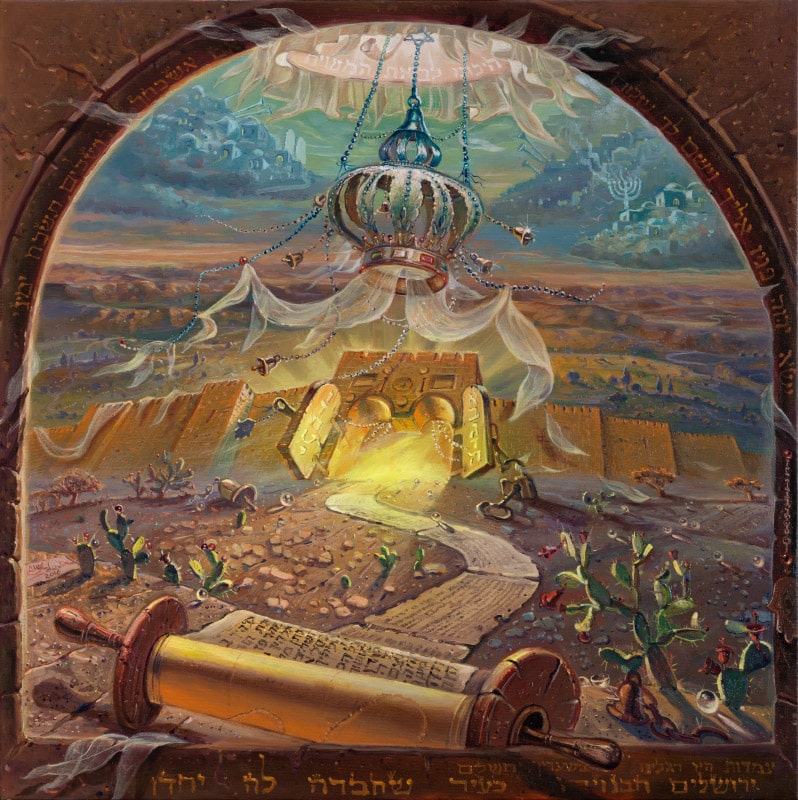
This connection between Jerusalem’s ancient past and hopes for the future is one reason the Golden Gate appears frequently in religious art and imaginative representations of Jerusalem.
Explore Alex Levin’s Jerusalem Temple paintings for artistic interpretations of the Beit Hamikdash and ancient Jerusalem.
The Gate of Mercy – Sha’ar HaRachamim
The name Sha’ar HaRachamim translates as the Gate of Mercy.
The concept of mercy gives the gate additional spiritual meaning beyond its architectural history.
In Jewish thought, mercy, redemption, Jerusalem, and the future restoration of the Holy City are deeply connected themes.
For this reason, the Gate of Mercy has become a powerful visual symbol of hope even though the physical passage itself remains sealed.
The Golden Gate in Christian Tradition
The Golden Gate also holds importance in Christian tradition.
Some Christian traditions associate the eastern entrance to Jerusalem with Jesus’ entry into the city before his crucifixion. The New Testament describes Jesus entering Jerusalem from the direction of the Mount of Olives, although it does not identify the present Golden Gate as the specific gateway he used.
Later Christian tradition also connected Jerusalem’s eastern side with expectations surrounding the Second Coming.
These associations helped make the Golden Gate an important landmark for Christian pilgrims visiting Jerusalem.
The Golden Gate in Islamic Tradition
In Islamic tradition, the gate is known as Bab al-Rahma, the Gate of Mercy.
The area has held religious significance within the Haram al-Sharif, or Temple Mount, for many centuries.
Islamic traditions also associate the eastern side of Jerusalem with themes of judgment, resurrection, and divine mercy.
A historic Muslim cemetery lies immediately outside the eastern wall near the gate.
Modern stories sometimes claim that the cemetery was established specifically to prevent the Jewish Messiah from entering Jerusalem. That explanation is widely repeated in popular accounts, but the history of the cemetery and gate is more complex and should not be reduced to that legend.
The Golden Gate and the Mount of Olives
One of the most striking views of the Golden Gate is from the Mount of Olives.
Looking west across the Kidron Valley, the gate can be seen within the long stone wall of the Old City, with the Temple Mount immediately behind it.
The early morning light is particularly dramatic because the eastern-facing wall catches the changing Jerusalem sun.
For painters and photographers, this viewpoint brings together several of Jerusalem’s most powerful visual elements – ancient stone walls, sacred geography, the Temple Mount, the Mount of Olives, and the golden light for which Jerusalem is famous.
The Golden Gate in Jerusalem Art
The Golden Gate has been a natural subject for artists because it combines architectural beauty with history, mystery, prophecy, and religious meaning.
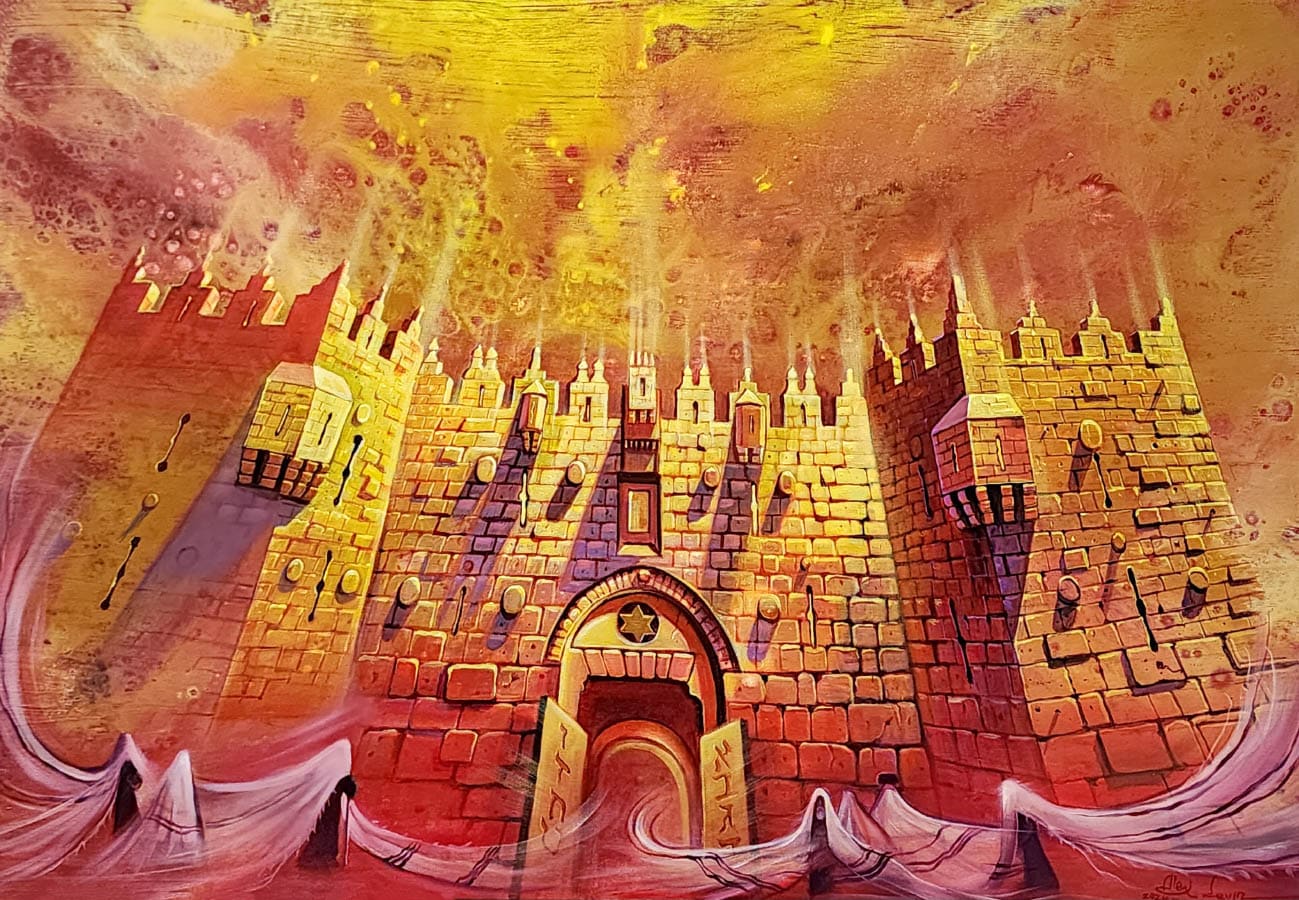
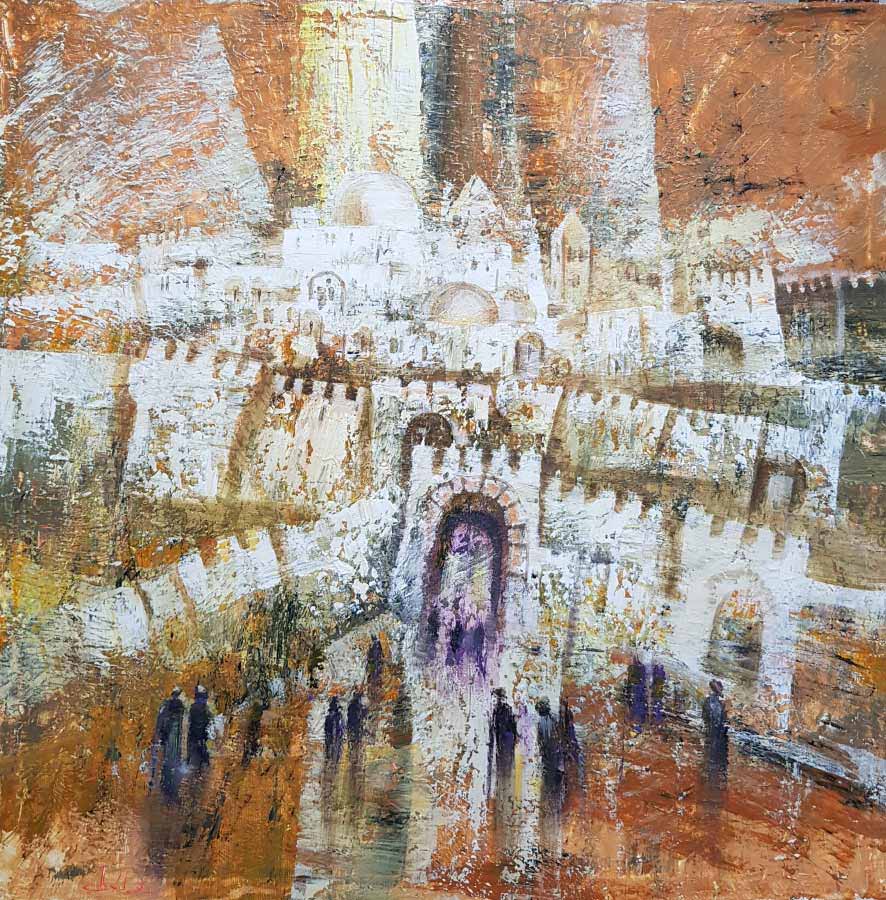
For Israeli artist Alex Levin, the Golden Gate is part of the larger story of Jerusalem.
His paintings often present the gate from the Mount of Olives and Garden of Gethsemane area, allowing the viewer to look across the Kidron Valley toward the eastern wall of Jerusalem.
Other compositions place the Golden Gate within imaginative scenes connected to the Temple, redemption, and Jerusalem’s spiritual future.
The contrast between the sealed stone arches and the open Jerusalem sky gives the gate a particularly powerful presence in art.
Golden Gate Paintings by Alex Levin
Alex Levin has created Jerusalem paintings featuring the Golden Gate, Gate of Mercy, Mount of Olives, and surrounding sacred landscape.
Some portray the gate as it can be seen today, while others use the historic landmark as part of symbolic and imaginative visions of Jerusalem.
Explore Paintings of the Gates of Jerusalem
You can also explore Alex Levin’s complete collection of Jerusalem paintings, including the Kotel, Old City, Temple Mount, Jerusalem streets, gates, and panoramic views.
Frequently Asked Questions About the Golden Gate of Jerusalem
Where is the Golden Gate in Jerusalem?
The Golden Gate is located in the eastern wall of Jerusalem’s Old City beside the Temple Mount. It faces the Mount of Olives across the Kidron Valley.
Why is the Golden Gate in Jerusalem closed?
The Golden Gate was sealed during the Ottoman period and remains closed as a passage today. Several historical and religious explanations have been proposed for its closure, while the popular story that it was sealed specifically to stop the Messiah should be regarded as tradition or legend rather than established historical fact.
When was the Golden Gate sealed?
The gate was sealed during the 16th-century Ottoman period, when Sultan Suleiman the Magnificent rebuilt and restored Jerusalem’s city walls.
What does Sha’ar HaRachamim mean?
Sha’ar HaRachamim means “Gate of Mercy” in Hebrew. The Arabic name Bab al-Rahma carries a similar meaning.
Is the Golden Gate connected to the Jewish Messiah?
Yes. Jewish tradition commonly associates the Golden Gate with the future arrival of the Messiah in Jerusalem. This association is one of the reasons the gate holds such strong symbolic importance.
Is the Golden Gate part of the Second Temple?
No. The visible Golden Gate structure dates from centuries after the destruction of the Second Temple. Earlier gates may have existed in the area, but the present structure should not be described as an original gate of the Second Temple.
Can you see the Golden Gate today?
Yes. The sealed exterior of the Golden Gate can be seen in Jerusalem’s eastern Old City wall, particularly from viewpoints around the Mount of Olives and the Kidron Valley.