The Beis Hamikdash: History, Significance, and the Hope for the Third Temple
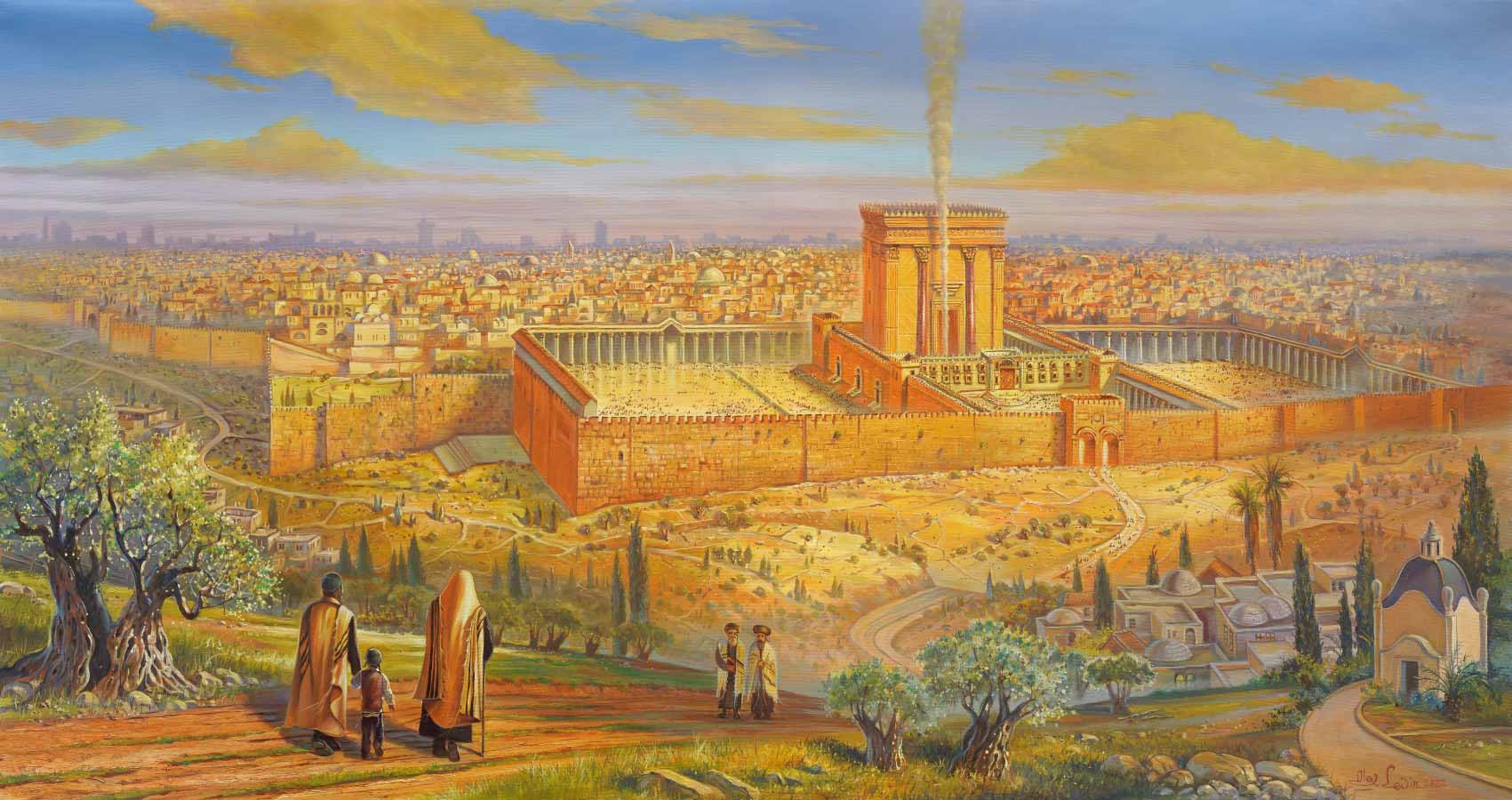
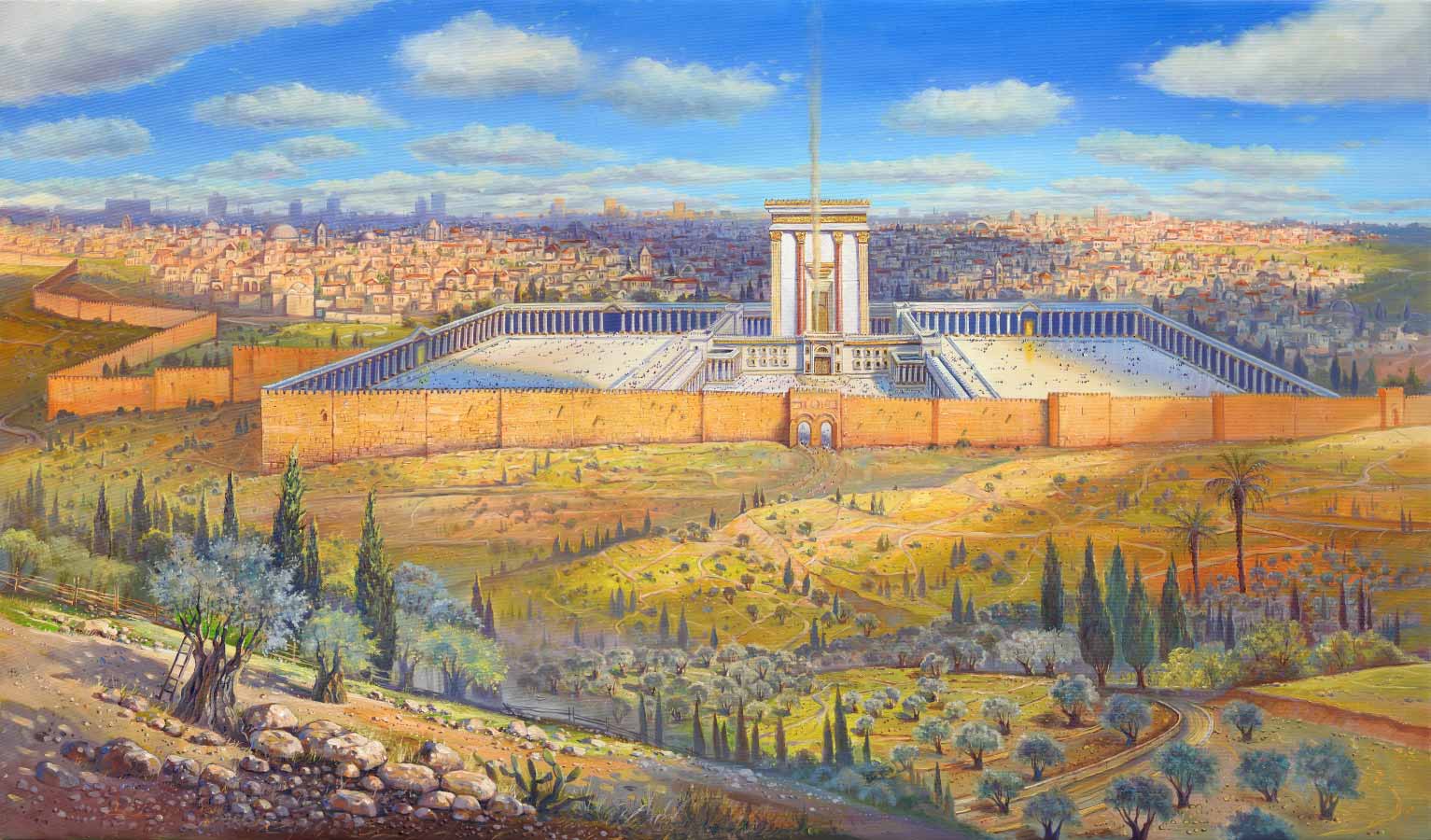
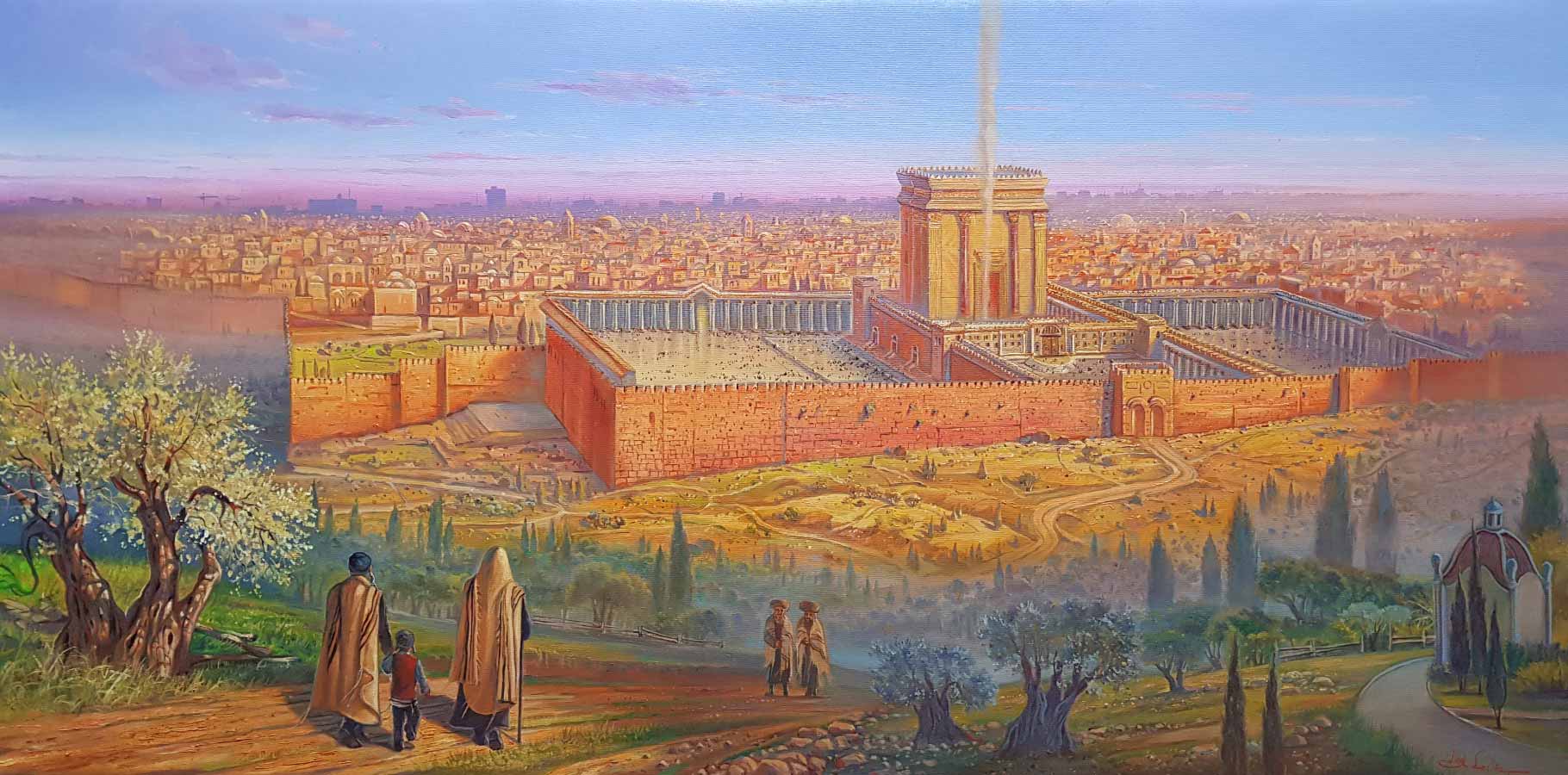
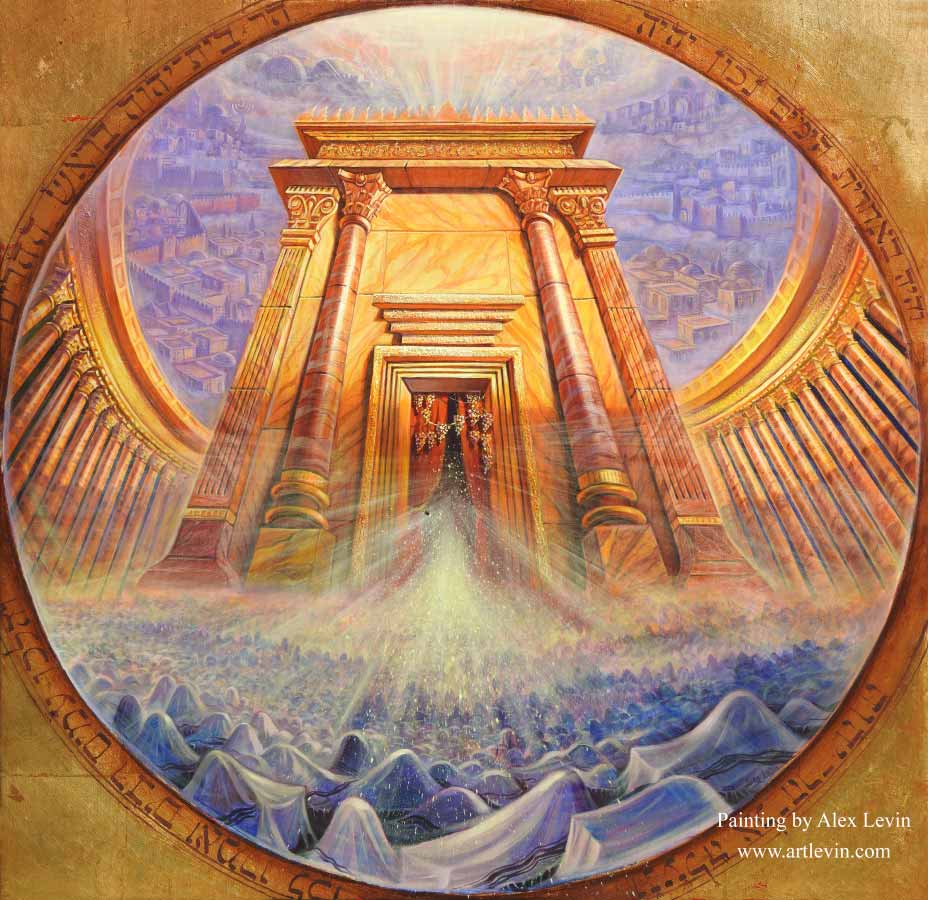
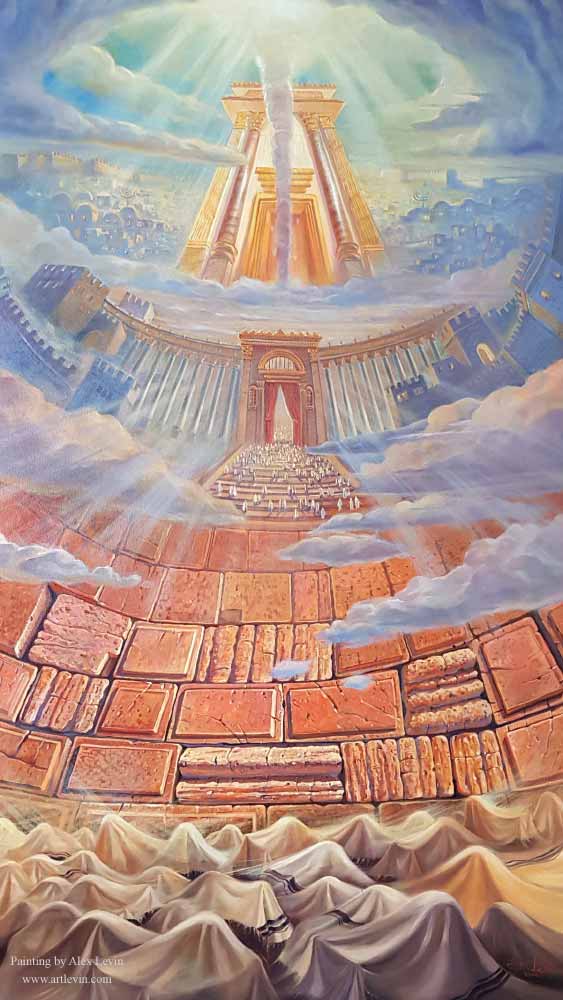
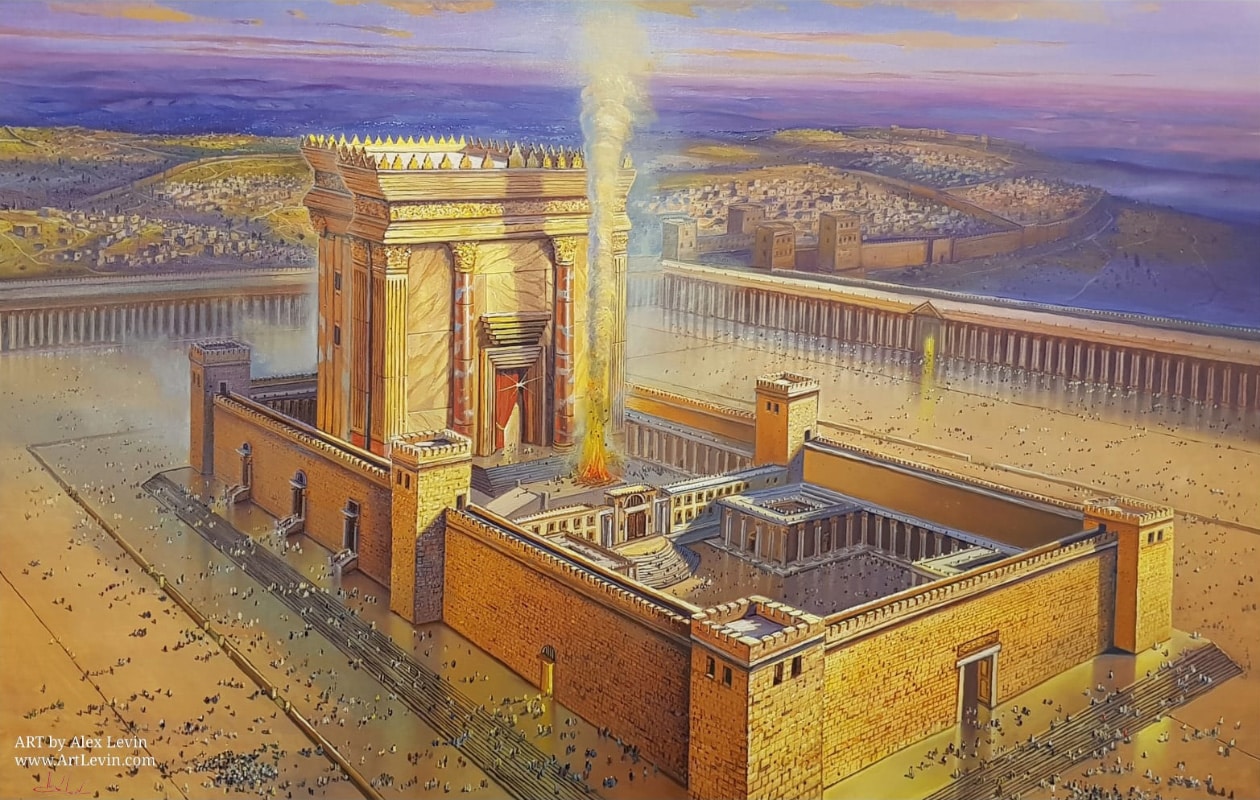
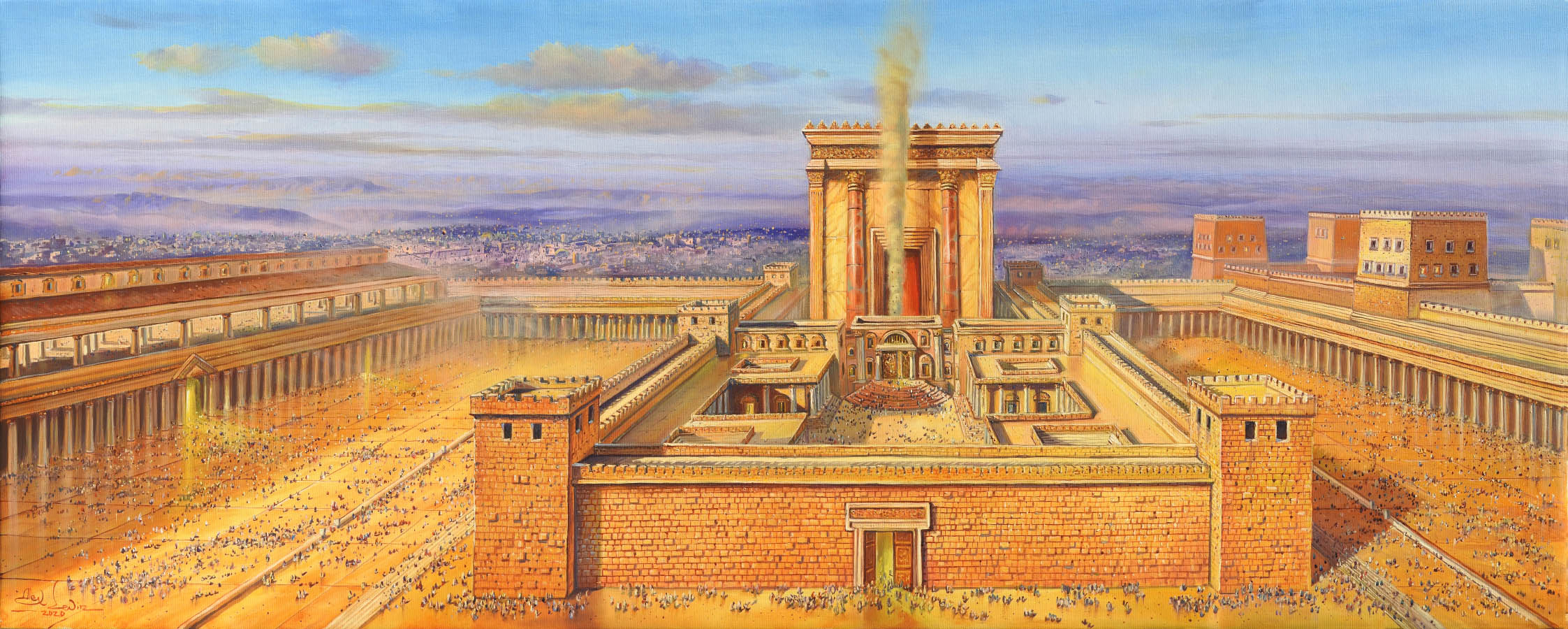
The Beis Hamikdash (Hebrew: בית המקדש), also known as the Holy Temple in Jerusalem, is one of the most sacred places in Judaism. For nearly a thousand years, it served as the spiritual and religious center of the Jewish people. It was the site where sacrifices were offered, major festivals were celebrated, and God’s Divine Presence was believed to dwell among the people.
Although the Temple no longer stands, the Beis Hamikdash continues to play a central role in Jewish prayer, tradition, and hope for the future. This guide explores its history, purpose, destruction, and enduring significance.
What Is the Beis Hamikdash?
The Beis Hamikdash was the central place of worship for the Jewish people in Jerusalem. According to Jewish tradition, it was built on Mount Moriah, where Abraham was prepared to offer Isaac as a sacrifice.
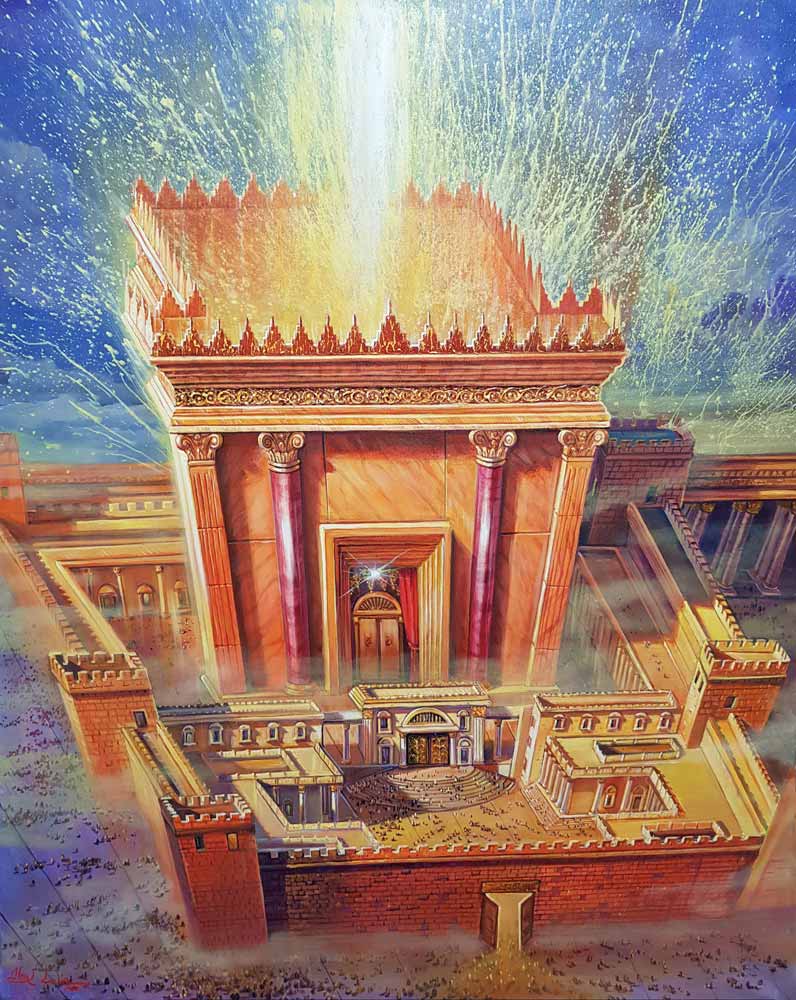
The Temple served as the only location where many biblical commandments could be fulfilled, including the offering of sacrifices (korbanot). It was also home to the Holy of Holies (Kodesh HaKodashim), the innermost sanctuary where the Ark of the Covenant was kept during the First Temple period.
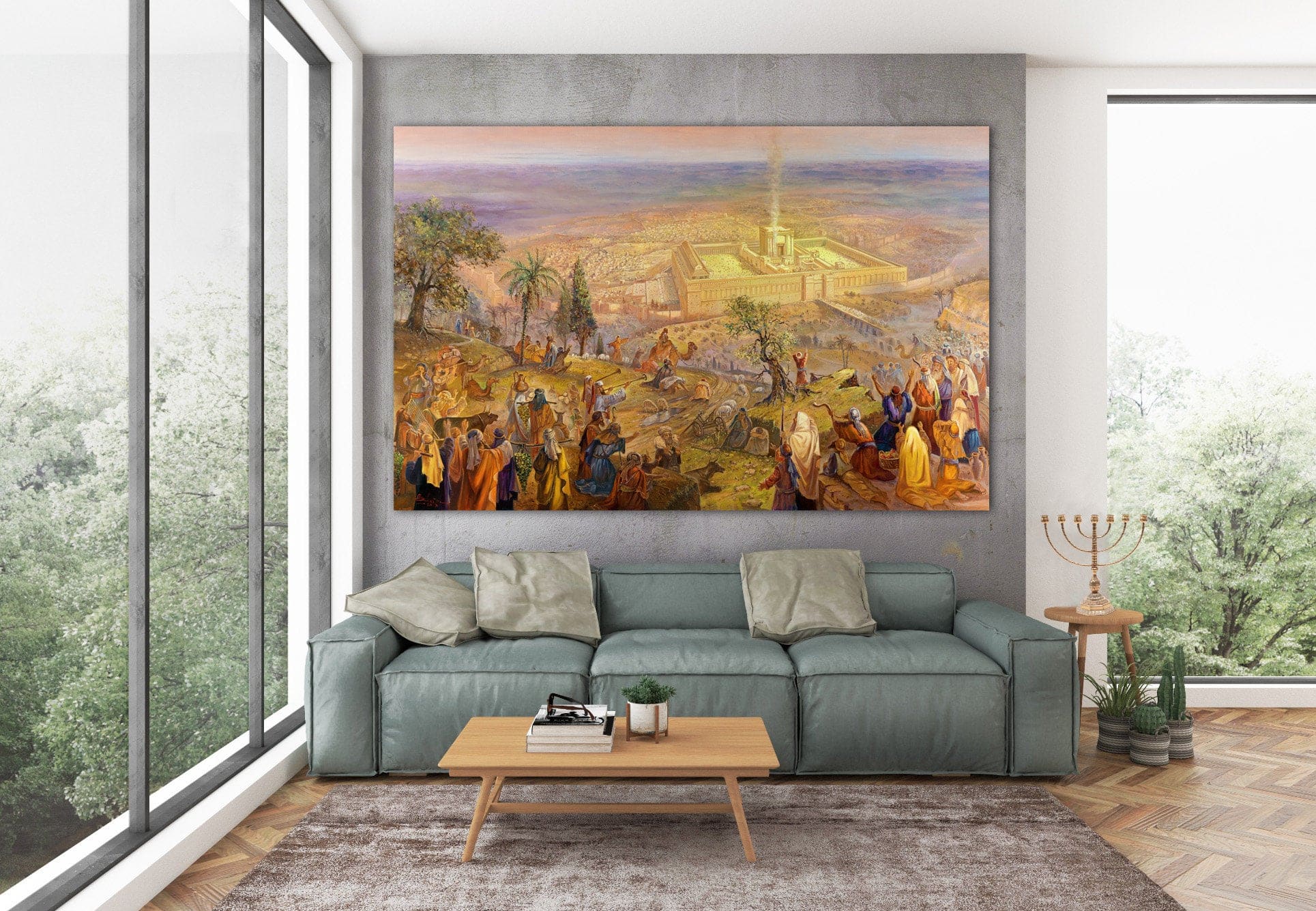
Three times each year, Jews from throughout the Land of Israel would travel to Jerusalem for the pilgrimage festivals of Passover (Pesach), Shavuot, and Sukkot.
The First Beis Hamikdash
The First Beis Hamikdash was built by King Solomon in the 10th century BCE, fulfilling the vision of his father, King David. It became the center of Jewish worship and the symbol of God’s covenant with the Jewish people.
In 586 BCE, the Babylonian Empire, led by King Nebuchadnezzar II, destroyed the Temple and exiled much of the Jewish population to Babylon. This event marked one of the greatest tragedies in Jewish history.
The Second Beis Hamikdash
After the Babylonian exile, many Jews returned to Jerusalem and rebuilt the Temple. The Second Beis Hamikdash was completed around 516 BCE under the leadership of Zerubbabel and later underwent a massive expansion and renovation by King Herod the Great.
This Temple stood for nearly six centuries and was the center of Jewish religious life during the Second Temple period.
In 70 CE, Roman forces under Titus destroyed the Second Beis Hamikdash during the First Jewish Revolt. Its destruction is commemorated annually on Tisha B’Av, a day of fasting and mourning.
Was There a Third Beis Hamikdash?
No. Historically, only two Beis Hamikdash temples have existed.
Following the Bar Kokhba Revolt (132–135 CE), the Romans rebuilt Jerusalem as a Roman city and prohibited many Jews from entering it. Although Jewish tradition speaks of a future Third Beis Hamikdash, no Third Temple has yet been built.
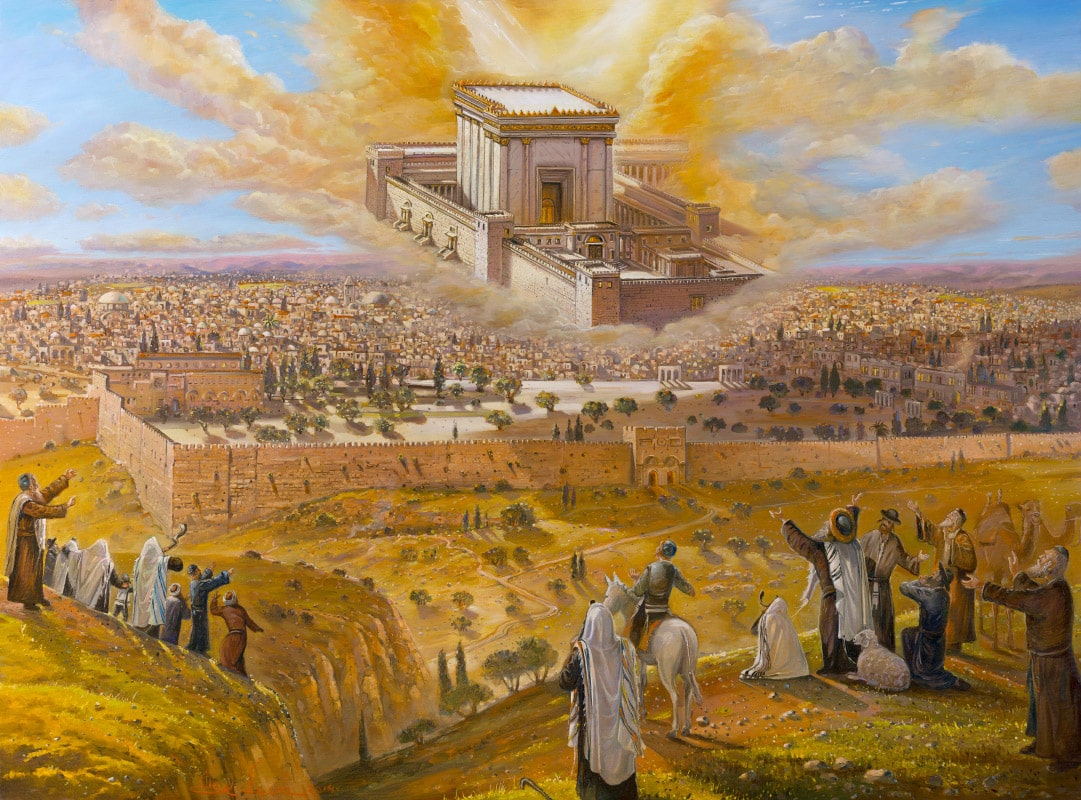
Many religious Jews pray daily for its rebuilding as part of the Messianic era, while views differ among Jewish denominations regarding how and when this will occur.
Why Is the Beis Hamikdash So Important?
The Beis Hamikdash was much more than a building—it represented the spiritual heart of the Jewish nation.
Its importance includes:
- Serving as the central place of worship for the Jewish people.
- Housing the Holy of Holies, Judaism’s most sacred location.
- Being the site of the biblical sacrificial service.
- Bringing together Jews from across the land during pilgrimage festivals.
- Symbolizing God’s presence among His people.
- Remaining a powerful symbol of Jewish unity, faith, and redemption.
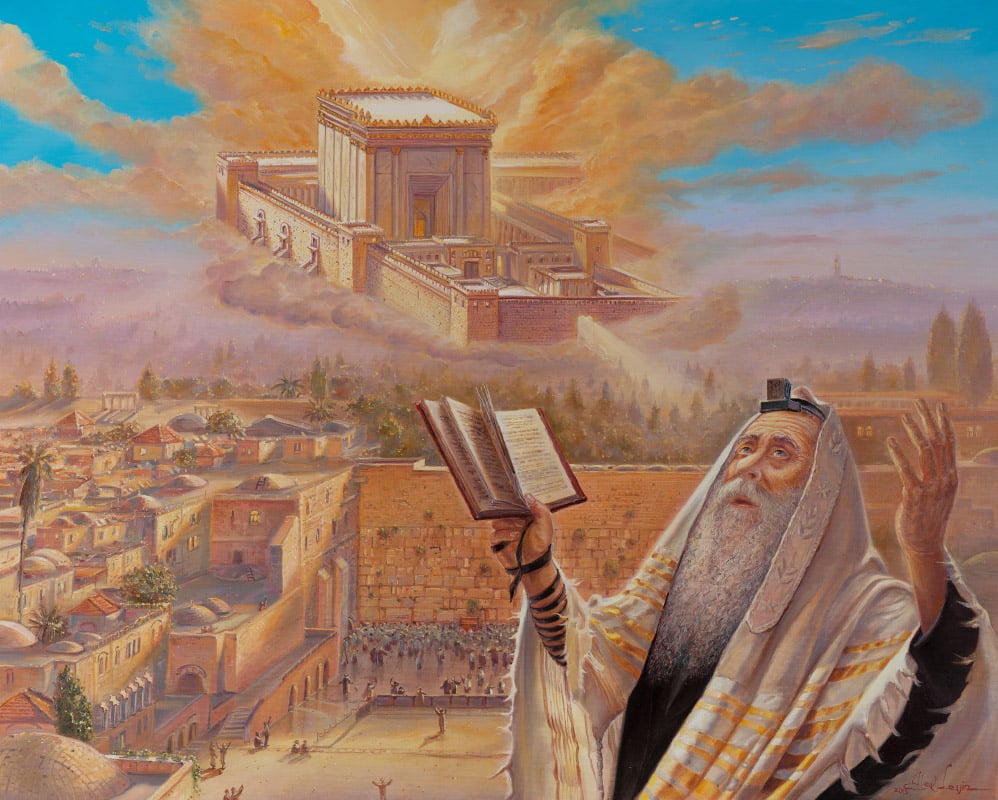
Even today, Jews around the world pray facing Jerusalem and include prayers for the rebuilding of the Beis Hamikdash in the daily liturgy.
The Temple Mount Today
The site where the Beis Hamikdash once stood is known as the Temple Mount in Jerusalem. Today, it is home to the Dome of the Rock and the Al-Aqsa Mosque, making it one of the holiest places in both Judaism and Islam.
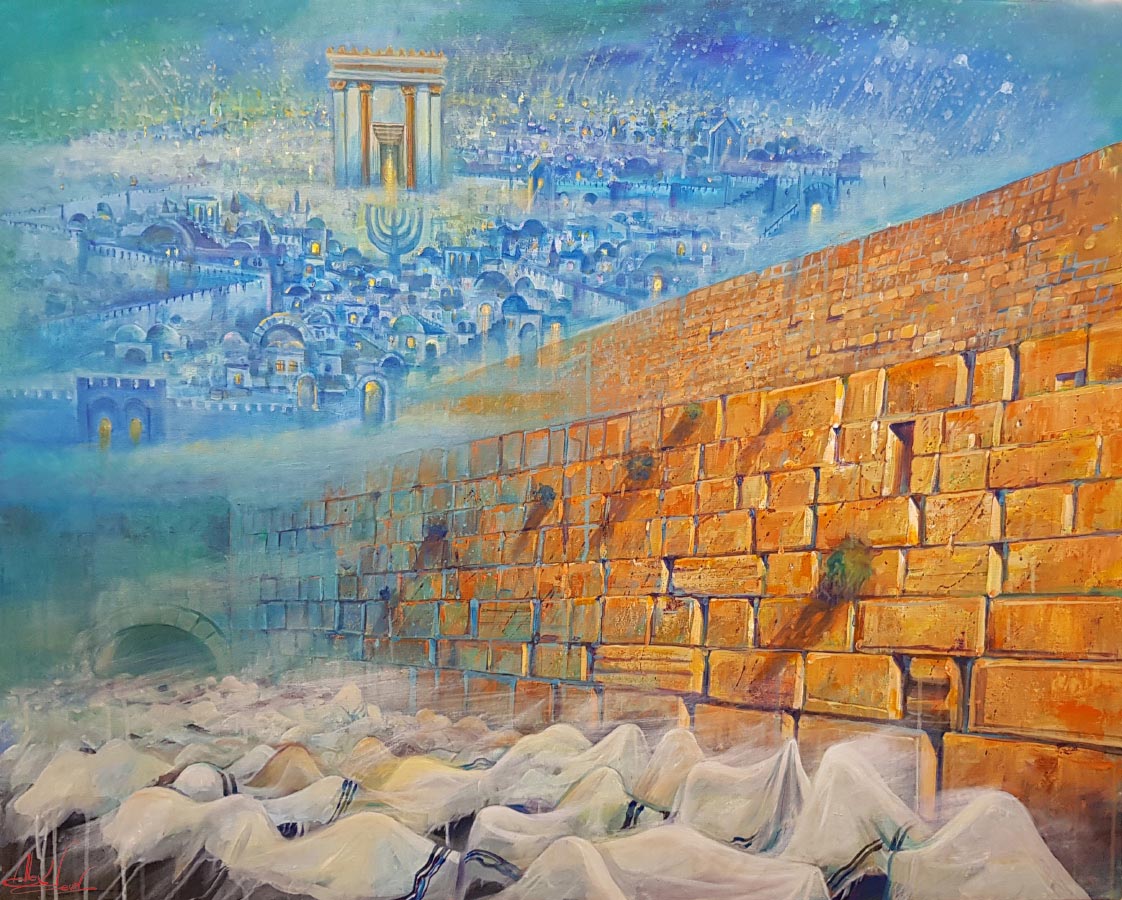
At the base of the Temple Mount stands the Western Wall (Kotel), the holiest site where Jews can traditionally gather for prayer. Millions of visitors from around the world come each year to pray and place written prayers between its ancient stones.
Because of the site’s immense religious and historical significance, it remains one of the world’s most sensitive religious locations.
The Hope for the Future
The hope for the rebuilding of the Beis Hamikdash has been part of Jewish belief for nearly two thousand years. Traditional Jewish prayers express a longing for the restoration of Jerusalem and the Holy Temple as part of the coming of the Messiah and a future era of peace.
Regardless of differing religious interpretations, the Beis Hamikdash remains one of the most enduring symbols of Jewish history, identity, and faith.
Frequently Asked Questions
What does “Beis Hamikdash” mean?
“Beis Hamikdash” means “Holy House” in Hebrew and refers to the Holy Temple in Jerusalem.
How many Beis Hamikdash temples were there?
There were two historical Temples: the First Temple built by King Solomon and the Second Temple rebuilt after the Babylonian exile.
Why was the Beis Hamikdash destroyed?
The First Temple was destroyed by the Babylonians in 586 BCE, while the Second Temple was destroyed by the Romans in 70 CE.
Where is the Beis Hamikdash located?
The Beis Hamikdash stood on the Temple Mount in Jerusalem, one of the world’s most significant religious sites.
Conclusion
The Beis Hamikdash stands at the heart of Jewish history and faith. Although the First and Second Temples were destroyed centuries ago, their legacy continues to shape Jewish worship, tradition, and identity. From daily prayers facing Jerusalem to the annual remembrance on Tisha B’Av, the Beis Hamikdash remains a lasting symbol of devotion, resilience, and hope for the future.