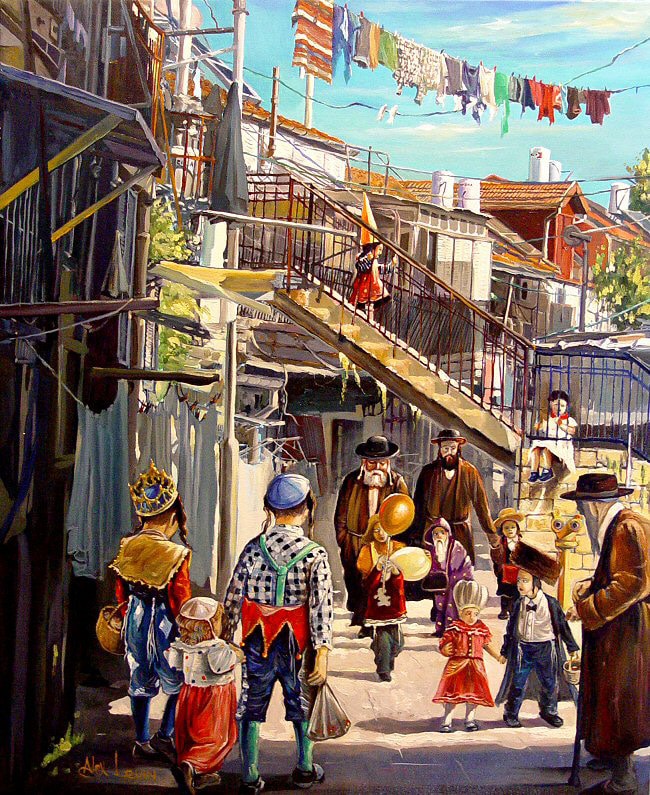
Mea Shearim is one of Jerusalem’s most historic and distinctive Jewish neighborhoods. Located just outside the Old City area, its narrow streets, stone buildings, synagogues, yeshivas, traditional shops, and deeply religious atmosphere offer a glimpse into a way of Jewish life that has been preserved across generations.
Founded in the 19th century as Jerusalem began expanding beyond the walls of the Old City, Mea Shearim became an important center of Orthodox Jewish life and remains predominantly Haredi, or ultra-Orthodox, today.
The neighborhood has also inspired artists, photographers, historians, and visitors because of its unique streets, traditional clothing, religious customs, and scenes of everyday Jewish life.
What Is Mea Shearim?
Mea Shearim is a historic Jewish neighborhood in Jerusalem known today primarily for its large Haredi Jewish community.
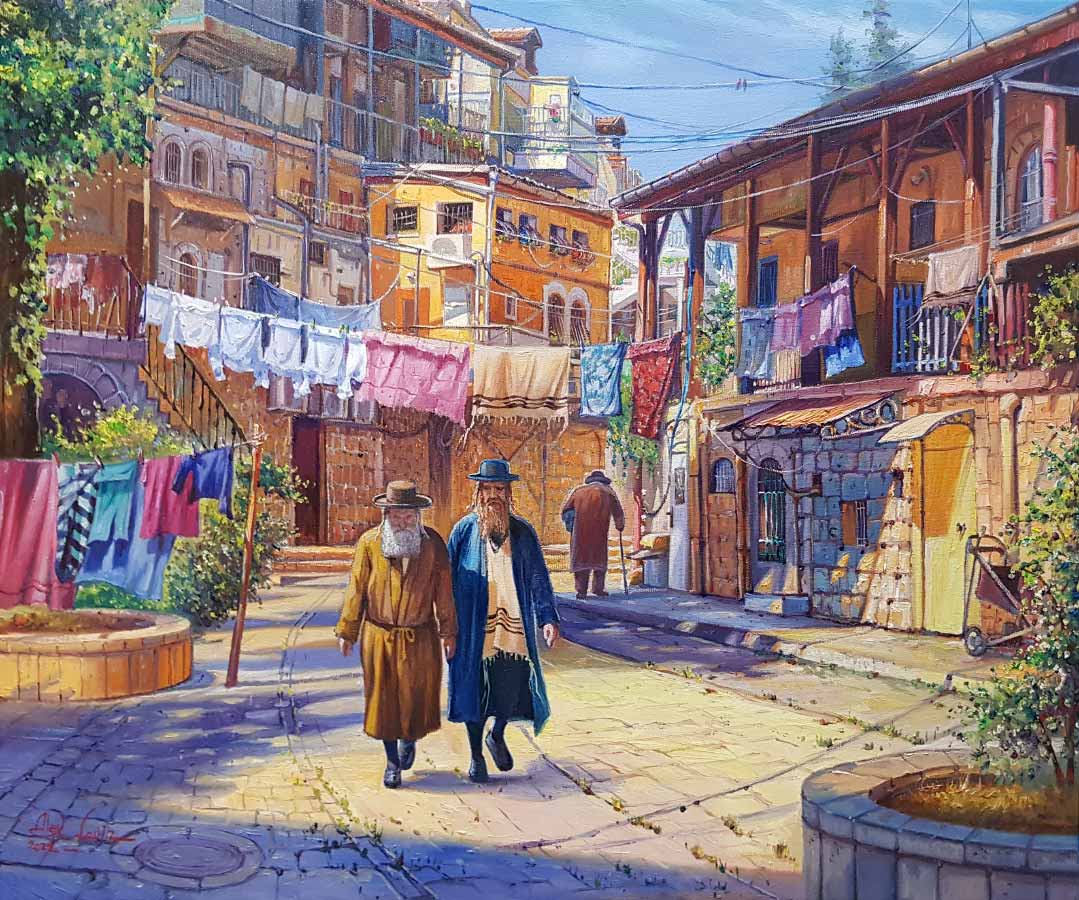
Walking through the neighborhood, visitors encounter synagogues, yeshivas, religious bookstores, small shops, bakeries, stone courtyards, and streets where traditional Jewish religious life remains highly visible.
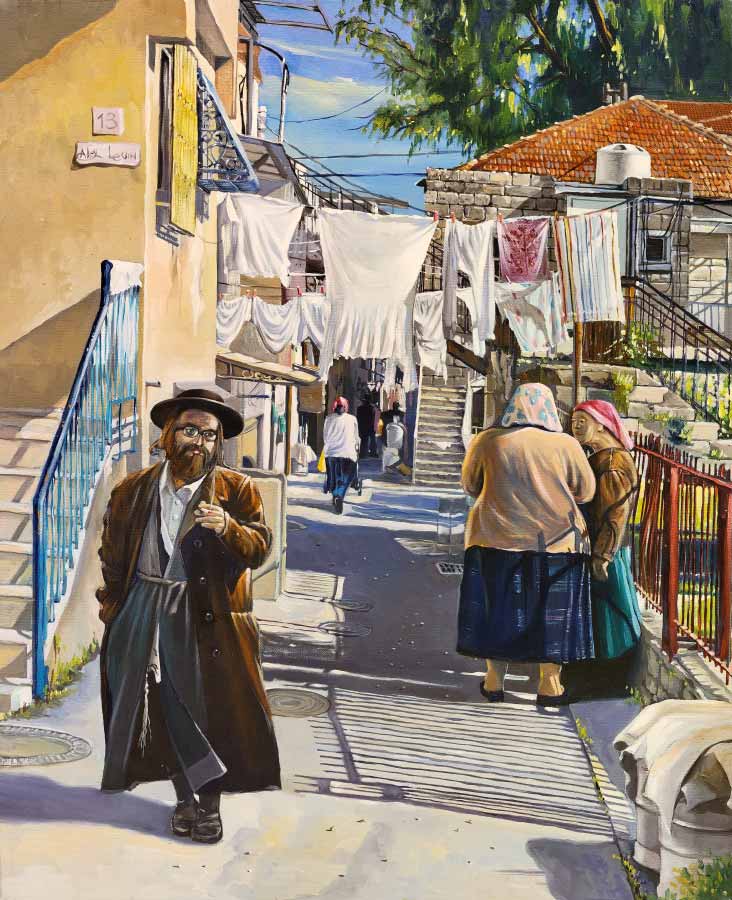
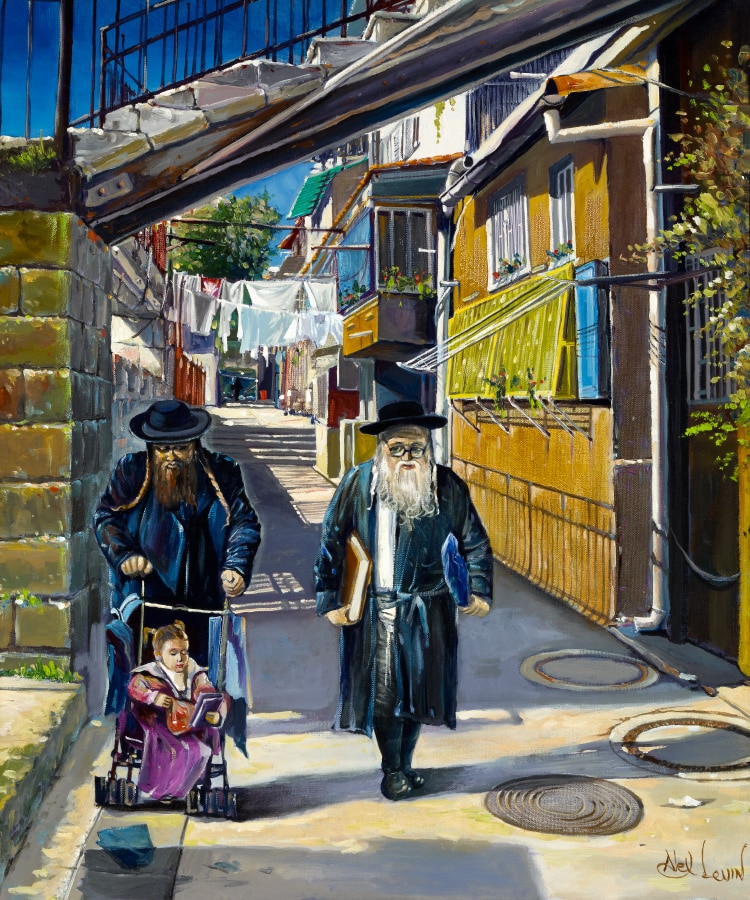
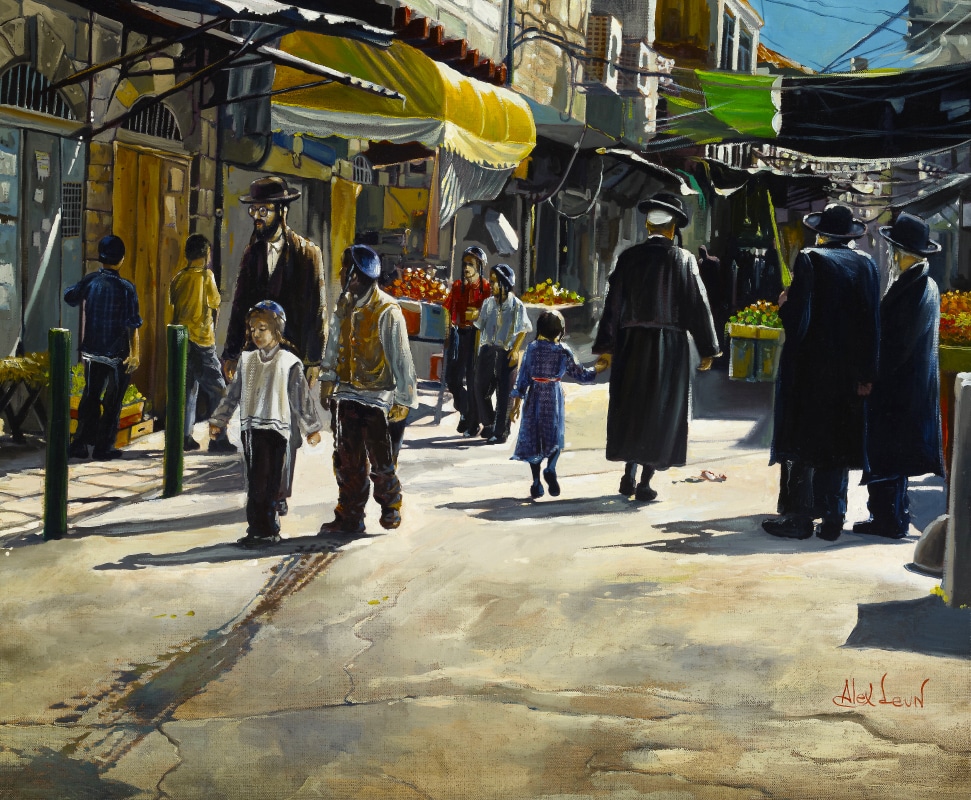
Men in traditional black coats and hats, children walking to religious schools, families preparing for Shabbat, and residents carrying books of Torah study are common scenes in the neighborhood.
Although Mea Shearim is now surrounded by modern Jerusalem, the neighborhood retains a visual and cultural character very different from nearby commercial districts.
What Does Mea Shearim Mean?
The name Mea Shearim comes from the Hebrew phrase מאה שערים found in Genesis 26:12.
The biblical verse describes Isaac sowing in the land and receiving an extraordinary harvest:
“Isaac sowed in that land and in that year reaped a hundredfold, and the Lord blessed him.”
The Hebrew expression translated as “a hundredfold” is mea shearim.
The name was associated with the weekly Torah portion being read around the time the society that created the neighborhood was established.
It is sometimes popularly translated as “one hundred gates” because the Hebrew word shearim can resemble the plural word for gates in another context. However, the biblical source of the neighborhood’s name refers to Isaac’s abundant harvest – essentially “a hundredfold.”
When Was Mea Shearim Founded?
Mea Shearim was founded in 1874 during a period when Jerusalem’s Jewish population was beginning to expand beyond the walls of the Old City.
For centuries, much of Jerusalem’s population had lived within the fortified walls. By the 19th century, overcrowding, sanitation problems, and population growth encouraged the development of new neighborhoods outside the walls.
Mea Shearim became one of the early Jewish neighborhoods established as part of this expansion of Jerusalem.
Its development represents an important chapter in the transition from the compact walled city of earlier centuries to the much larger Jerusalem known today.
Who Founded Mea Shearim?
Mea Shearim was established by a building society composed of Jewish residents of Jerusalem who wanted to create housing beyond the crowded Old City.
Yosef Rivlin, one of the leading figures in the expansion of Jewish Jerusalem during the 19th century, played an important role in the neighborhood’s establishment.
Rivlin was involved in the creation of several new Jewish neighborhoods outside the Old City walls and became closely associated with Jerusalem’s early urban expansion.
The original community included members of Jerusalem’s Old Yishuv – the Jewish population living in the Land of Israel before the large waves of modern Zionist immigration.
How Was the Original Neighborhood Designed?
The original Mea Shearim neighborhood was designed around communal courtyards.
Rows of stone houses were arranged so that the exterior walls helped form a protective boundary, while homes faced inward toward shared spaces.
This type of construction reflected practical concerns of the period. Living beyond Jerusalem’s city walls was considerably more isolated than it is today, and residents needed security as well as access to communal religious institutions.
The neighborhood’s plan is associated with German-born Jerusalem architect and scholar Conrad Schick, who contributed to numerous architectural and archaeological projects in 19th-century Jerusalem.
Synagogues, places of Torah study, communal facilities, and residential buildings gradually filled the neighborhood as its population increased.
Mea Shearim and the Expansion of Jerusalem
The establishment of Mea Shearim was part of a much larger transformation of Jerusalem during the 19th century.
Other neighborhoods were also being constructed outside the Old City walls as Jewish, Christian, and Muslim communities expanded into areas surrounding the historic center.
Earlier developments such as Mishkenot Sha’ananim demonstrated that permanent residential life outside the walls was possible.
As additional neighborhoods appeared, roads improved and Jerusalem gradually developed into a city extending far beyond its ancient fortifications.
Mea Shearim therefore represents not only religious history but also an important stage in the physical development of modern Jerusalem.
Jewish Life in Mea Shearim
Today, Mea Shearim is known primarily as a center of Haredi Jewish life.
Religion shapes much of the neighborhood’s daily rhythm. Synagogues and yeshivas are prominent, Torah study is central to community life, and Shabbat and Jewish holidays strongly influence activity in the streets.
Traditional forms of dress associated with different Haredi and Hasidic communities are common. These traditions may reflect the customs of Jewish communities that once lived in Eastern and Central Europe.
The neighborhood includes several different religious communities rather than one single uniform group, each with its own customs, institutions, rabbis, and traditions.
Shabbat in Mea Shearim
Shabbat creates one of the most dramatic changes in the atmosphere of Mea Shearim.
As Friday afternoon approaches, residents prepare for the Sabbath. Shops close, families return home, and people make their way to synagogues for prayer.
Traffic and ordinary weekday commercial activity diminish considerably as Shabbat begins.
The streets then take on a quieter character centered around prayer, family meals, Torah study, and walking rather than everyday business.
Scenes connected with Shabbat are an important subject throughout Jewish art. Alex Levin explores these traditions in his collection of Shabbat paintings.
Torah Study and Religious Education
Torah study is a highly visible part of life in Mea Shearim.
The neighborhood contains numerous yeshivas, synagogues, religious schools, and bookstores devoted to Jewish texts.
For many residents, religious study forms an important part of everyday life from childhood through adulthood.
The sight of students carrying religious books, groups studying together, and shelves filled with Torah and Talmud volumes contributes to the distinctive visual character of the neighborhood.
Torah study has also been a recurring subject in Alex Levin’s Jewish paintings. Explore his collection of Torah paintings.
Visiting Mea Shearim
Mea Shearim can be visited, but it is important to remember that this is first and foremost a residential religious neighborhood rather than a tourist attraction.
Visitors should behave respectfully and avoid treating residents as objects of curiosity.
- Dress modestly, particularly when entering the neighborhood or religious buildings.
- Avoid photographing people closely without permission.
- Be especially respectful of privacy around children and families.
- Avoid unnecessary photography during Shabbat and Jewish holidays.
- Do not drive, play loud music, smoke openly, or use electronic devices conspicuously in religious areas during Shabbat.
- Follow signs and requests posted by local residents and institutions.
Respecting local customs makes a visit more comfortable both for residents and visitors.
Mea Shearim During Jewish Holidays
Jewish holidays can dramatically change the appearance and atmosphere of Mea Shearim.
Before Passover, residents prepare homes and purchase foods for the holiday. During Sukkot, sukkahs appear throughout courtyards, balconies, rooftops, and narrow spaces between buildings.
Purim brings an especially colorful contrast to the neighborhood, with costumes, gifts of food, celebrations, and families moving through the streets.
During Hanukkah, menorahs and oil lamps can be seen glowing near windows and doorways.
These recurring traditions create scenes that connect contemporary Jerusalem with centuries of Jewish religious life.
Purim in Mea Shearim
Purim is particularly visually striking in Mea Shearim.
Children and adults wear costumes, families exchange mishloach manot, and celebrations take place throughout the neighborhood.
Traditional clothing, historic stone streets, colorful costumes, and the energy of the holiday create scenes that are dramatically different from the neighborhood’s ordinary daily appearance.
These moments have inspired Alex Levin’s paintings of Jewish celebrations and community life, including his artwork portraying Purim in Mea Shearim.
Mea Shearim and the Memory of the Shtetl
Visitors sometimes compare Mea Shearim to the Jewish shtetls of Eastern Europe because of traditional clothing, Yiddish-speaking communities, religious institutions, and the central importance of Torah observance.
The comparison is understandable visually, but Mea Shearim is not simply a preserved European shtetl.
It is a living Jerusalem neighborhood that has developed continuously since the 19th century and contains communities with their own histories and traditions.
Nevertheless, aspects of its streets and religious life can evoke the world of Eastern European Jewish communities that was largely destroyed during the Holocaust.
Alex Levin explores memories of that vanished Jewish world in his collection of shtetl paintings.
Mea Shearim in Jewish Art
For an artist interested in Jewish life, Mea Shearim offers an extraordinary range of subjects.
Historic Jerusalem stone, narrow streets, religious schools, rabbis, children, Shabbat preparations, holiday celebrations, and traditional Jewish clothing create scenes filled with both visual detail and cultural meaning.
Israeli artist Alex Levin has portrayed traditional Jewish life as part of his broader artistic exploration of Jerusalem and Jewish history.
Rather than depicting only Jerusalem’s famous monuments, these paintings show the people and traditions that give the city its living character.
Jewish Life Paintings by Alex Levin
Alex Levin’s Jewish Life paintings portray scenes of Torah study, Shabbat, Jewish holidays, rabbis, families, shtetl communities, prayer, and traditions passed from generation to generation.
Many of these subjects reflect the same themes that make neighborhoods such as Mea Shearim visually and culturally distinctive.
Explore Jewish Life Paintings by Alex Levin
You can also explore Alex Levin’s larger collection of Jerusalem paintings, featuring the Kotel, Old City, Jerusalem streets, gates, sacred landmarks, and everyday life in the Holy City.
Frequently Asked Questions About Mea Shearim
What does Mea Shearim mean?
Mea Shearim comes from Genesis 26:12 and refers to Isaac receiving a “hundredfold” harvest. Although the words are sometimes interpreted popularly as “one hundred gates,” the neighborhood’s name is connected with the biblical verse about Isaac’s abundant harvest.
When was Mea Shearim founded?
Mea Shearim was founded in 1874 as one of the early Jewish neighborhoods constructed outside Jerusalem’s Old City walls.
Where is Mea Shearim?
Mea Shearim is located in central Jerusalem, north of the historic Old City and within walking distance of several major areas of central Jerusalem.
Is Mea Shearim an Orthodox Jewish neighborhood?
Yes. Mea Shearim is predominantly populated by Haredi, or ultra-Orthodox, Jewish communities and contains numerous synagogues, yeshivas, religious schools, and other Jewish institutions.
Can tourists visit Mea Shearim?
Visitors can walk through Mea Shearim, but it is a residential religious neighborhood and local customs should be respected. Modest clothing, discretion with photography, and special sensitivity during Shabbat and Jewish holidays are recommended.
Can you take photographs in Mea Shearim?
Photography should be approached respectfully. Avoid photographing individual residents, particularly children, without permission, and be especially sensitive about photography and electronic devices during Shabbat.
Why is Mea Shearim important to Jerusalem’s history?
Mea Shearim was part of Jerusalem’s important 19th-century expansion beyond the Old City walls. Its development helped contribute to the growth of the much larger modern city surrounding historic Jerusalem today.