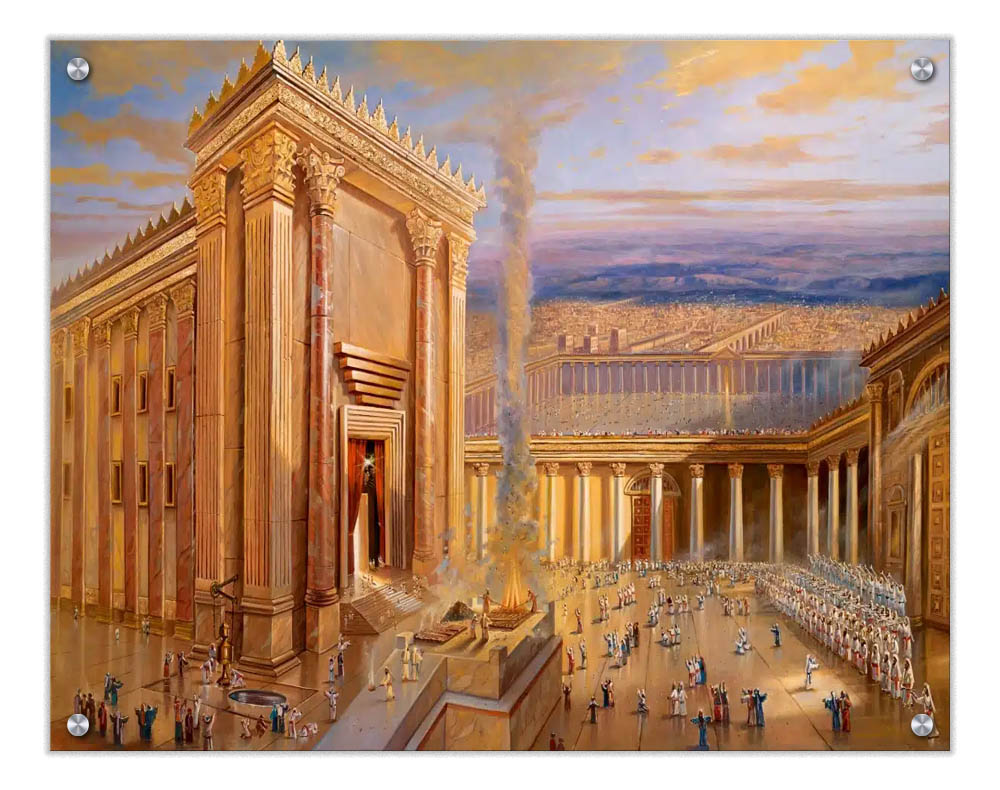
Some artworks ask you to look closely at a place. Others invite you to consider what that place represents. A painting of the Beis Hamikdash can do both, bringing architecture and light together with ideas of holiness, remembrance, and hope. For a collector, its appeal may reach well beyond the visual impact of the scene.
Understand the artist’s interpretation
The jerusalem temple has a central place in Jewish history and religious memory. Artists approach it through different visual traditions, emphasizing its setting, imagined atmosphere, or symbolic meaning. A painting is an artistic interpretation, so it should not automatically be treated as a precise architectural reconstruction or a substitute for historical study.
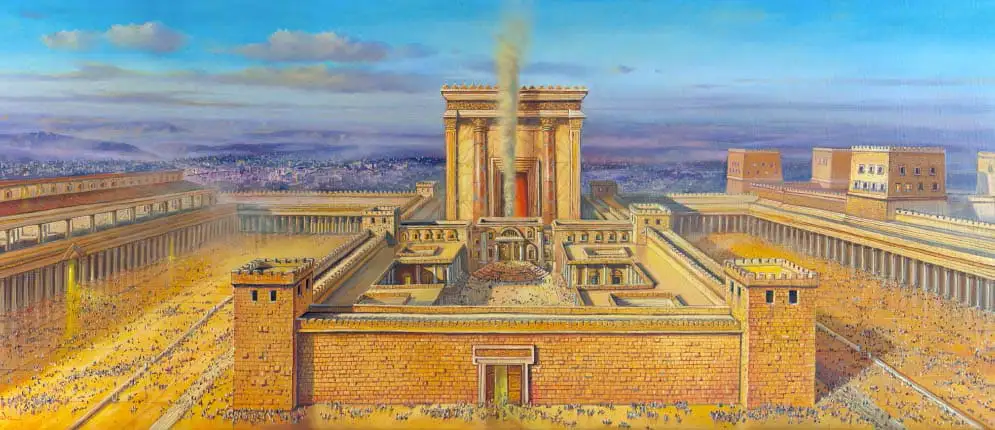
Notice how the artist directs attention. A distant view may place the Temple within the larger city, while a closer composition makes the building the clear focus. Light can suggest reverence or anticipation. The surrounding figures and landscape may also influence whether the work feels contemplative, celebratory, or visionary.


Choose a work with personal meaning
When selecting a beis hamikdash painting, ask what you want to encounter in the image each day. Some collectors value familiar architectural forms. Others respond to a sense of radiance or a hopeful treatment of Jerusalem. There is no need to force an explanation if a particular work speaks to you, but understanding your response helps narrow the options.
Alex Levin’s Temple collection is one place to explore these interpretations. Compare several images at full size rather than deciding from a small preview. Look at the relationship between the main building and the rest of the composition. A compelling painting should remain visually engaging after you have recognized its subject.


Give the artwork an appropriate setting
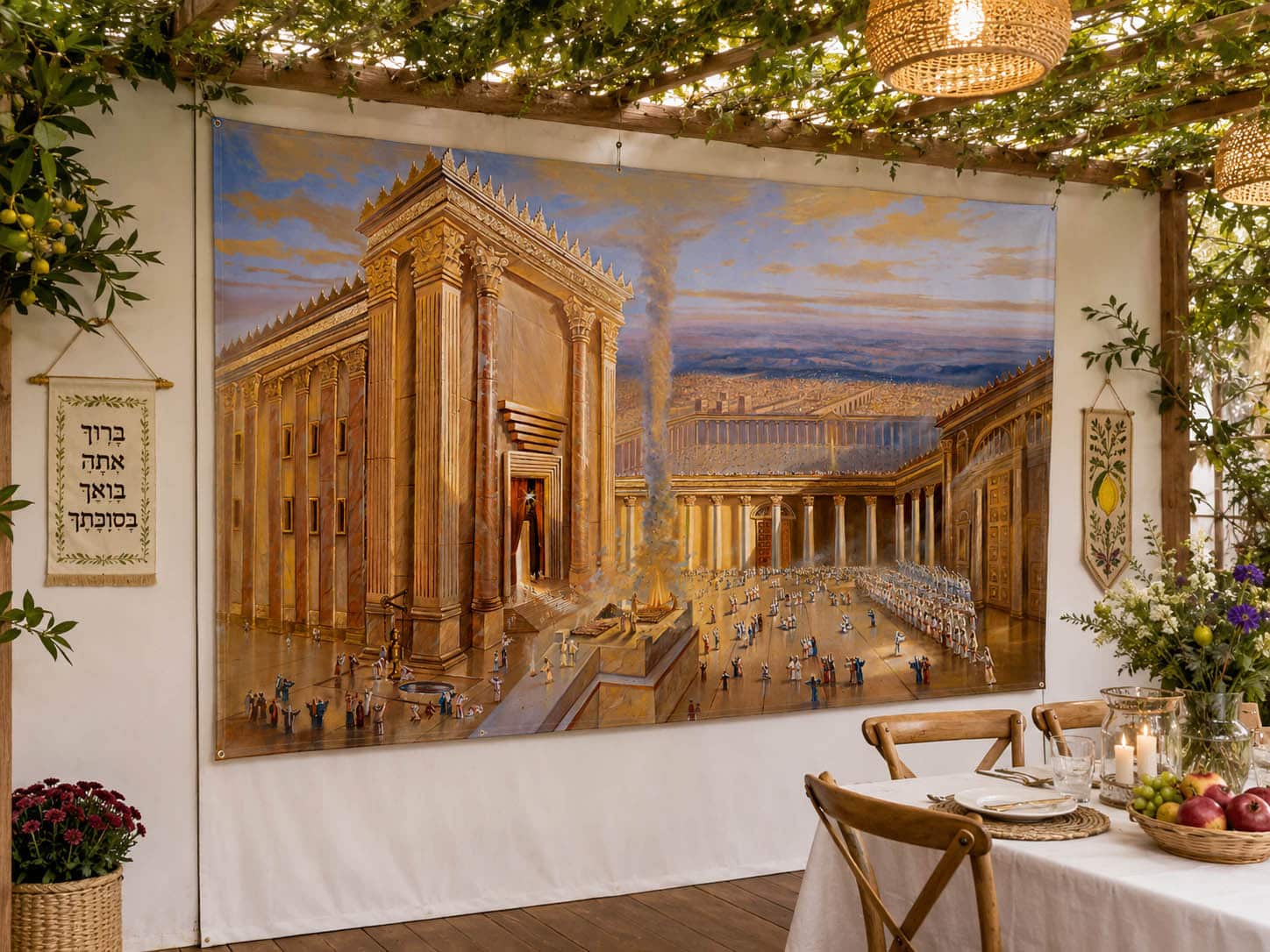
A jerusalem temple painting can serve as the focus of a study, living room, or Judaica collection. Consider the room’s purpose and the other objects nearby. A densely arranged wall may distract from a detailed scene, while a calmer setting gives the image space to be considered. Avoid placing it simply wherever an empty hook happens to be.
Measure the intended position and check the outside dimensions, including any frame. Confirm whether the artwork is an original or reproduction, what material it is printed or painted on, and how it should be displayed. If you are buying for a synagogue, school, or another shared space, discuss the image and size with the people responsible for that room.
Building a collection around meaning does not require every piece to look alike. Temple artwork can sit alongside scenes of Torah study, Jerusalem streets, or Jewish family life. A considered arrangement allows each work to retain its own character while opening a conversation between sacred memory and everyday experience.
Frequently Asked Questions
What is a Beis Hamikdash painting? It is an artistic depiction of the Jewish Temple in Jerusalem. Depending on the work, it may draw on historical descriptions, religious imagery, or an imaginative vision of the Temple.
What does the Jerusalem Temple symbolize in Jewish art? It can symbolize holiness, worship, Jewish continuity, and longing for restoration. The emphasis depends on the artist’s interpretation and the viewer’s own religious or personal connection.
How do I choose a Jerusalem Temple painting for my home? Consider the meaning of the image alongside its composition and scale. Review detail photographs, measure the wall, and confirm the medium and framing before purchasing.
What makes Beis Hamikdash artwork meaningful to Jewish collectors? It gives visible form to an important part of Jewish memory and prayer. Collectors may value its connection to Jerusalem, its spiritual associations, or its expression of hope.
Are Jerusalem Temple paintings suitable for Judaica art collections? Yes. They can complement other Jewish subjects while providing a distinct architectural or spiritual focus. Choose an interpretation that fits your collection’s purpose and your understanding of the subject.