The world of Judaica art offers a profound connection to spirituality, history, and cultural identity. Among the artists who capture this essence with extraordinary depth is Alex Levin. His paintings invite viewers to explore the mystical dimensions of Jewish life, tradition, and faith. Through his masterful use of light, color, and texture, Levin’s works transcend the canvas, offering a spiritual journey into the heart of Judaica art.

Delving into the Spiritual Heart of Judaica Art
Judaica art is more than just a visual expression; it is a tapestry woven with threads of history, tradition, and spirituality. Alex Levin’s paintings stand out in this genre for their ability to evoke a deep emotional and spiritual response. His works are not mere depictions but are gateways to understanding the rich tapestry of Jewish life. Each brushstroke is deliberate, each color carefully chosen to reflect the vibrancy and resilience of Jewish culture.
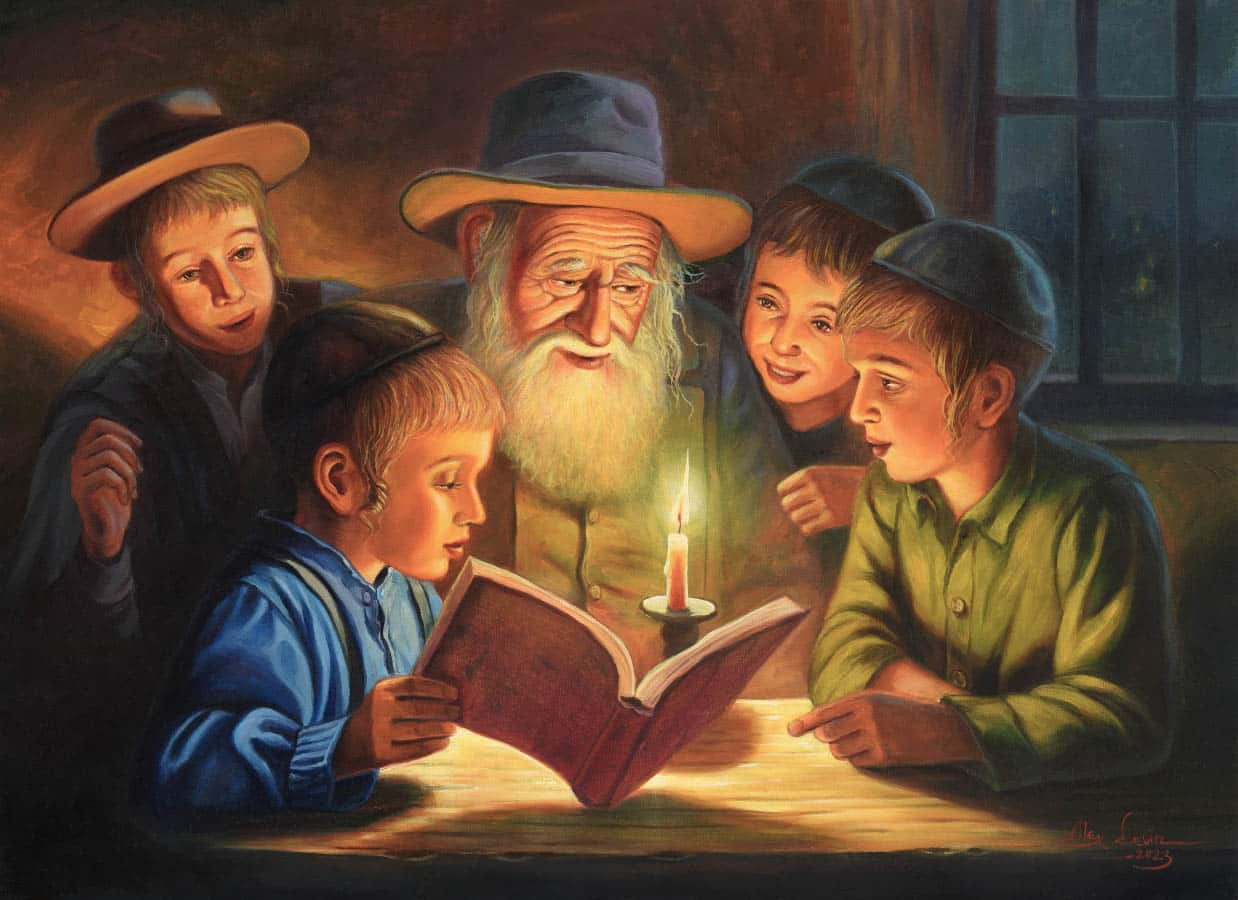
Levin’s art captures the essence of spiritual practices, rituals, and the profound connection between the divine and the earthly. His paintings often depict scenes of Shabbat, the Sabbath candles glowing warmly, casting a serene light that bathes the room in tranquility. This use of light and shadow is not just technique but a symbolic representation of divine presence and peace. The viewer is drawn into a meditative state, where the hustle of the world fades away, leaving only the sanctity of the moment.
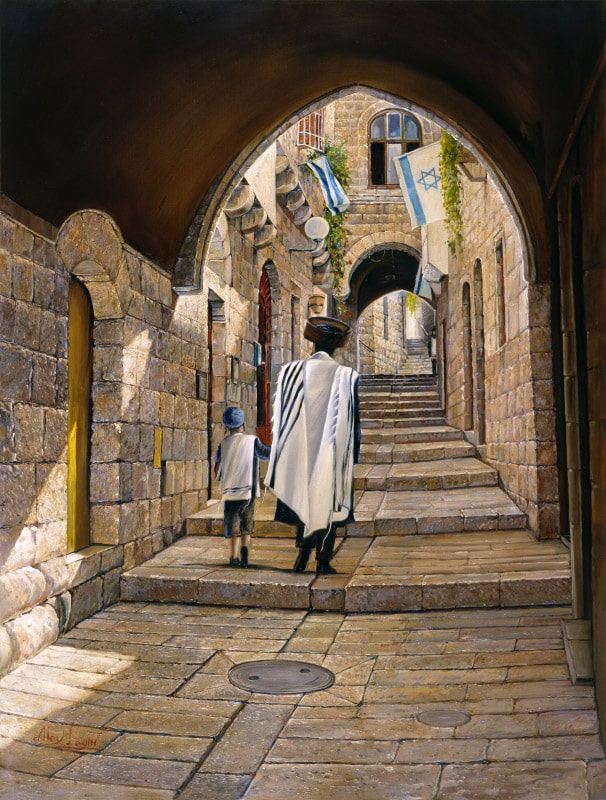
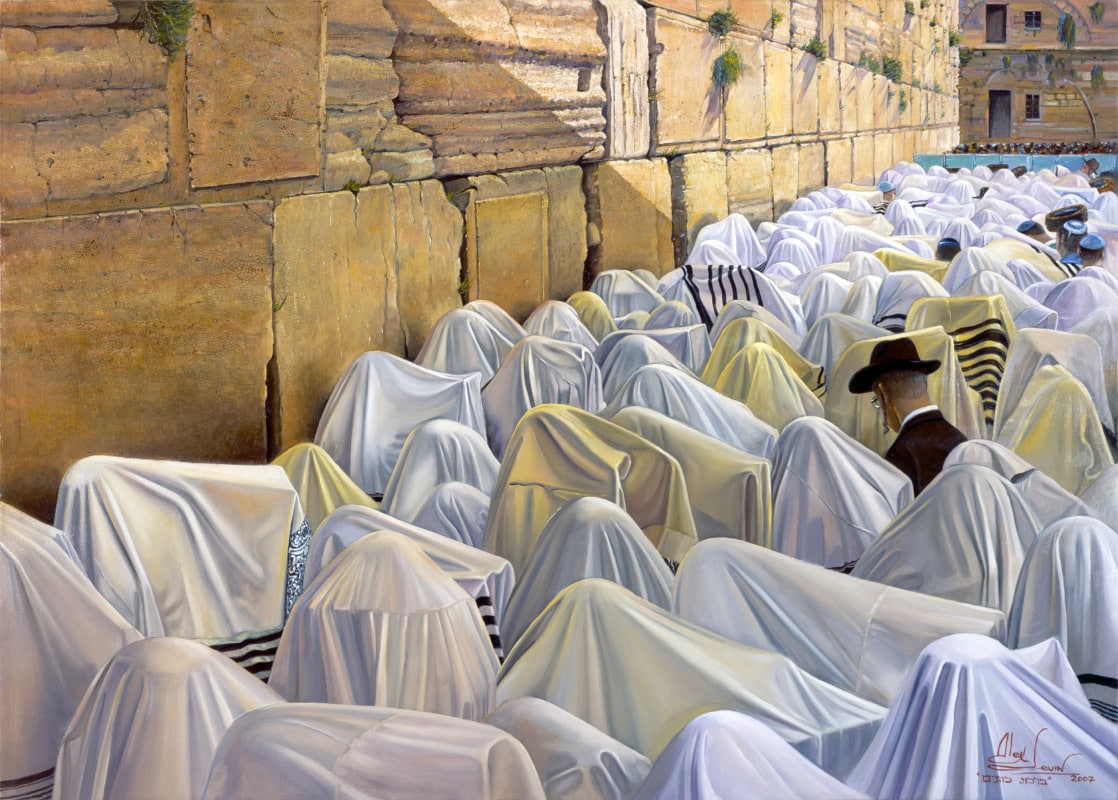
The textures in Levin’s paintings add an additional layer of depth and meaning. The tactile quality of his work invites a sensory engagement, where the roughness of stone walls or the softness of a prayer shawl can almost be felt. This attention to detail enhances the spiritual experience, making the viewer feel as if they are part of the scene. By blending the historical with the spiritual, Levin’s Judaica art becomes a bridge connecting the past and present, inviting the observer to reflect on their own spiritual journey.
Unveiling Mystical Layers in Alex Levin’s Paintings
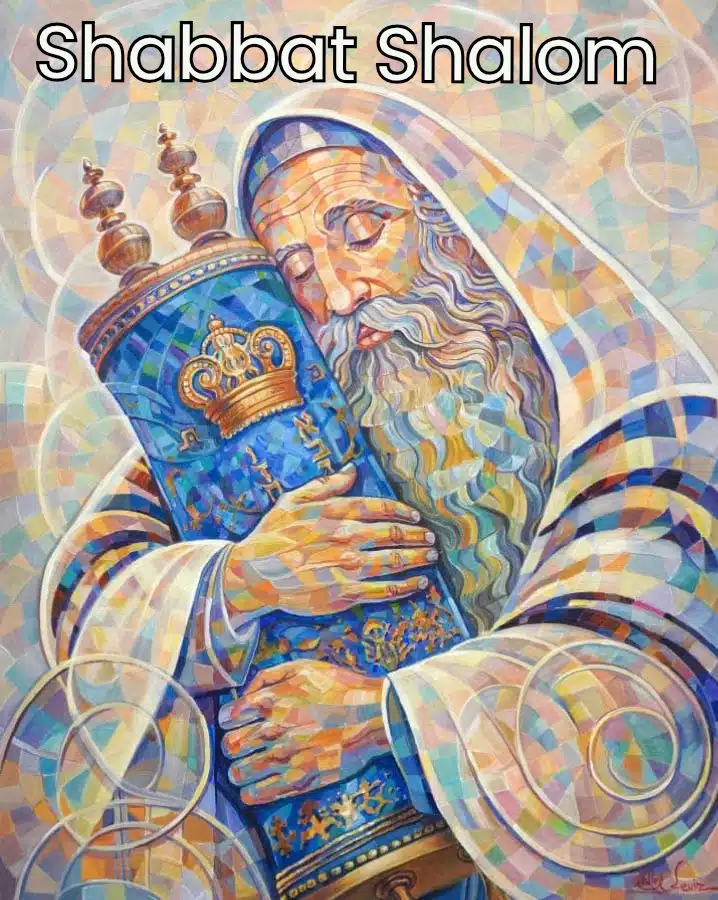
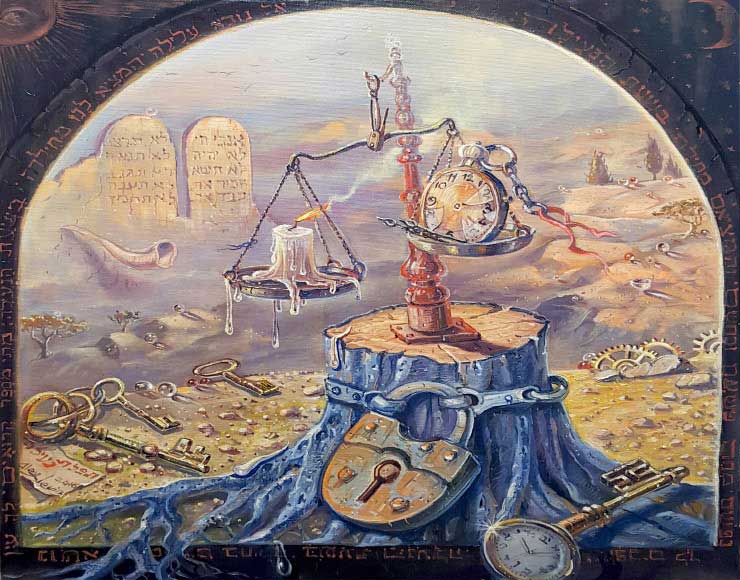
In Alex Levin’s paintings, the mystical elements of Judaica art come to life with vivid clarity. His use of color is not just visually striking but deeply symbolic. The rich hues of blue and gold often dominate his canvases, representing divine wisdom and sanctity. These colors guide the eye and the soul, leading viewers into a space where time seems suspended and the spiritual realm feels close at hand.
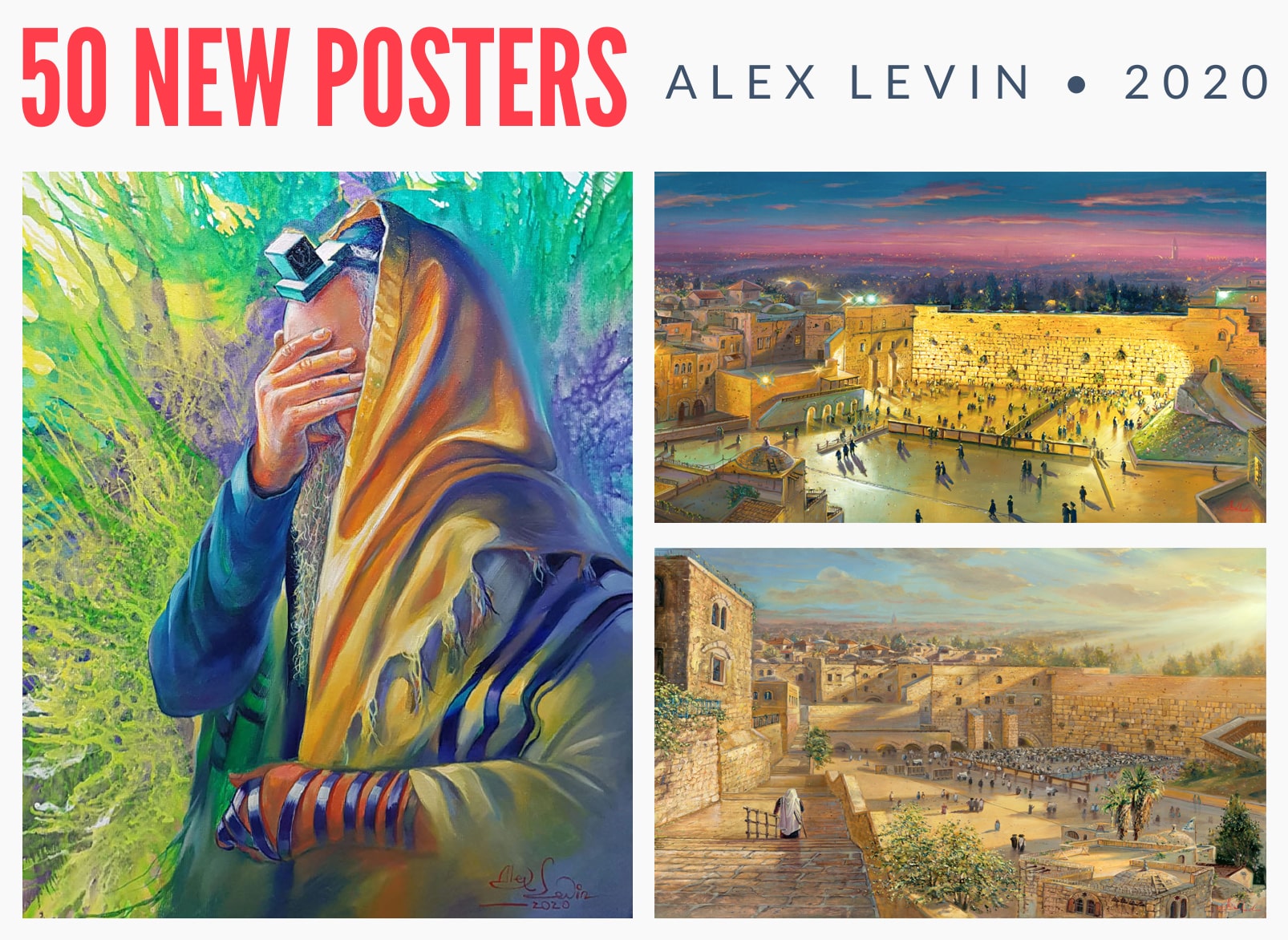
Light plays a crucial role in Levin’s work, often symbolizing divine intervention or enlightenment. In paintings depicting the Western Wall, the light seems to emanate from within the stones themselves, suggesting an eternal presence that witnesses the prayers of generations. This interplay of light and shadow creates a dynamic scene that is both real and metaphorically rich, embodying the tension between human experience and spiritual aspiration.
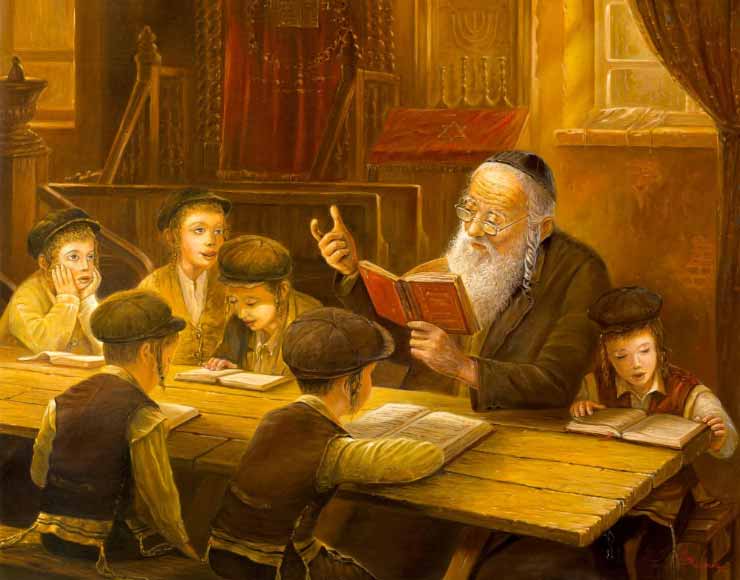
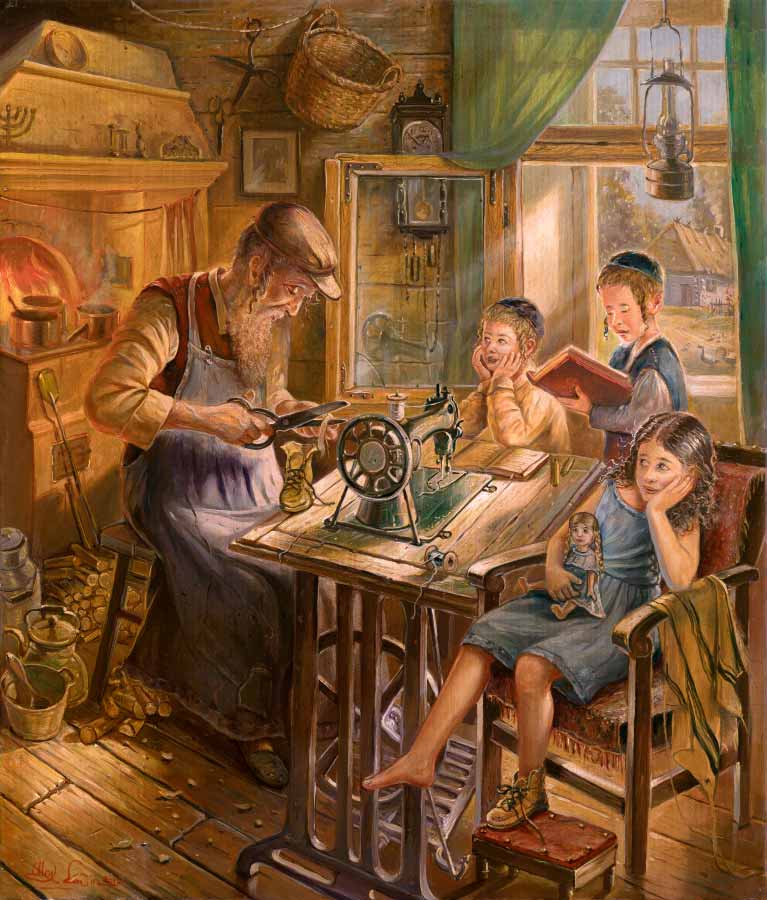
The mystical layers in Levin’s art also invite a contemplation of Jewish identity and continuity. His scenes of traditional rituals, whether a family gathered around a Passover Seder or a Rabbi deep in study, are imbued with a sense of timelessness. These images capture the essence of Jewish perseverance and faith, offering viewers an opportunity to connect with their heritage on a profound level. Levin’s work is not just about preserving tradition but about breathing new life into it, making ancient customs relevant and resonant in the contemporary world.
Explore more of Alex Levin’s Jewish life paintings and other Judaica art at Jewish Life Paintings and Judaica.
Alex Levin’s Judaica art transcends the ordinary, offering a deeply spiritual exploration of Jewish life and tradition. His paintings are more than visual representations; they are spiritual experiences that invite introspection and connection. Through his masterful use of light, color, and texture, Levin brings to life the mystical and historical layers of Judaica art, creating a bridge between the past and the present. Discover more Judaica paintings by Alex Levin at https://artlevin.com/store/.
Jewish Life Paintings and Judaica Art