Neo-Cubism: Reimagining Form, Color, and Meaning in Modern Art
In the ever-evolving world of art, movements are rarely static. They transform, adapt, and reappear in new forms across generations. One such evolution is Neo-Cubism – a contemporary reinterpretation of one of the most influential art movements of the 20th century.
While rooted in the groundbreaking ideas of Cubism, Neo-Cubism brings a fresh perspective by combining structure, color, and emotional depth in a way that speaks to modern audiences.
From Cubism to Neo-Cubism
To understand Neo-Cubism, we must first look back at Cubism, pioneered by artists like Pablo Picasso and Georges Braque in the early 1900s.
Cubism broke away from traditional perspective by:
- Fragmenting objects into geometric shapes
- Showing multiple viewpoints at once
- Focusing on structure rather than realism
This revolution changed how artists approached form and space.
Neo-Cubism builds on this foundation but moves beyond it.
Instead of muted palettes and analytical structure, Neo-Cubism introduces:
- Vibrant, expressive color
- Greater emotional and symbolic depth
- A balance between abstraction and recognizable imagery
The Role of Color and Light
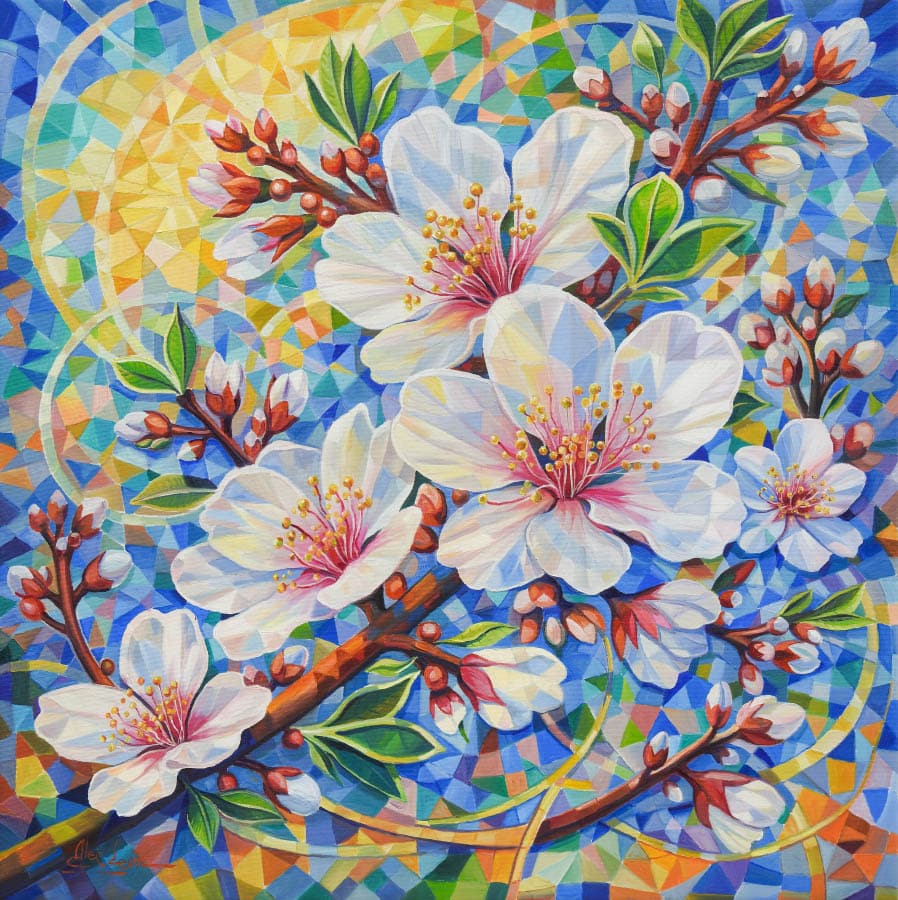
One of the defining features of Neo-Cubism is its use of color as a central element, not just a supporting one.
In many Neo-Cubist works:
- Color creates movement
- Light appears to radiate from within the composition
- Forms are constructed through color relationships rather than outlines
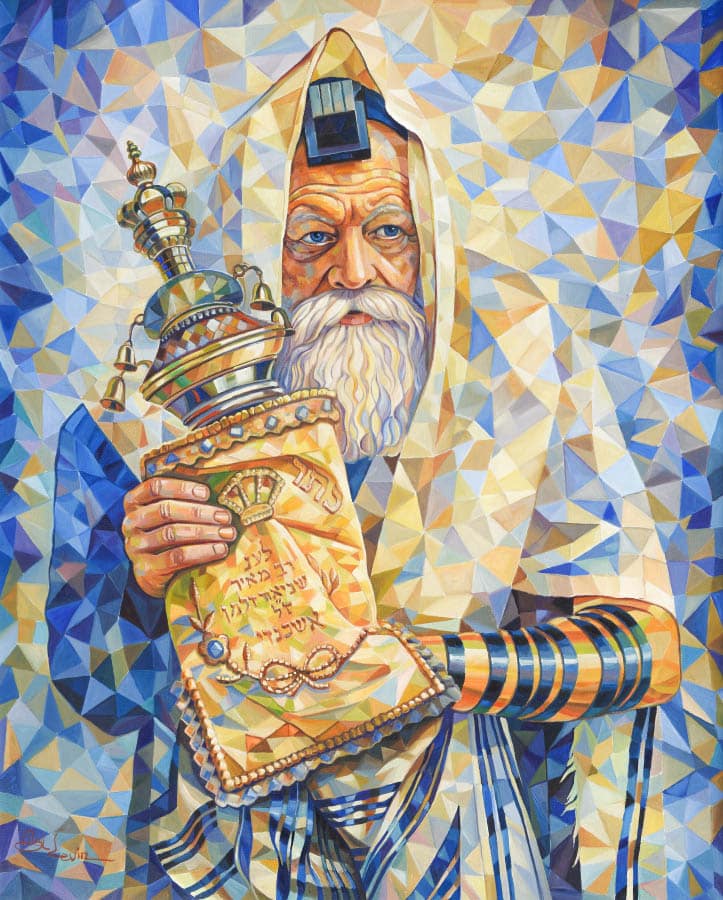
This gives the artwork a sense of energy and life, often resembling stained glass or illuminated mosaics.
Geometry as Language
Geometry in Neo-Cubism is more than a stylistic choice – it becomes a visual language.
Through fragmented planes and structured compositions, artists can:
- Convey multiple layers of meaning
- Represent time, memory, and emotion simultaneously
- Transform familiar subjects into new experiences
The result is artwork that invites the viewer to look deeper, beyond the surface.
Neo-Cubism in Contemporary Art
Today, Neo-Cubism is not tied to a single group of artists or a strict definition. Instead, it represents a broader approach:
- Reinterpreting classical subjects through modern structure
- Blending abstraction with narrative
- Using color and form to express identity, culture, and spirituality
This flexibility makes Neo-Cubism especially powerful in contemporary art.
Neo-Cubism and Spiritual Expression
In modern interpretations, Neo-Cubism often goes beyond visual experimentation and enters the realm of spiritual and emotional expression.
By breaking form and rebuilding it through light and color, artists can:
- Suggest inner states rather than physical appearances
- Capture moments of reflection, prayer, or connection
- Express ideas that are difficult to represent realistically
The fragmented structure becomes a way to reveal something deeper – a kind of inner reality.
A Personal Interpretation
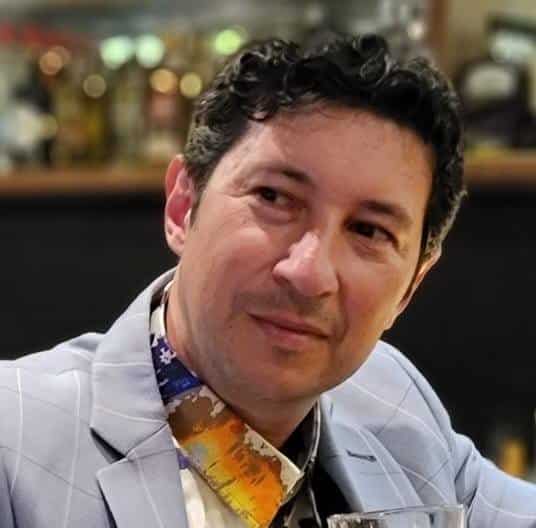
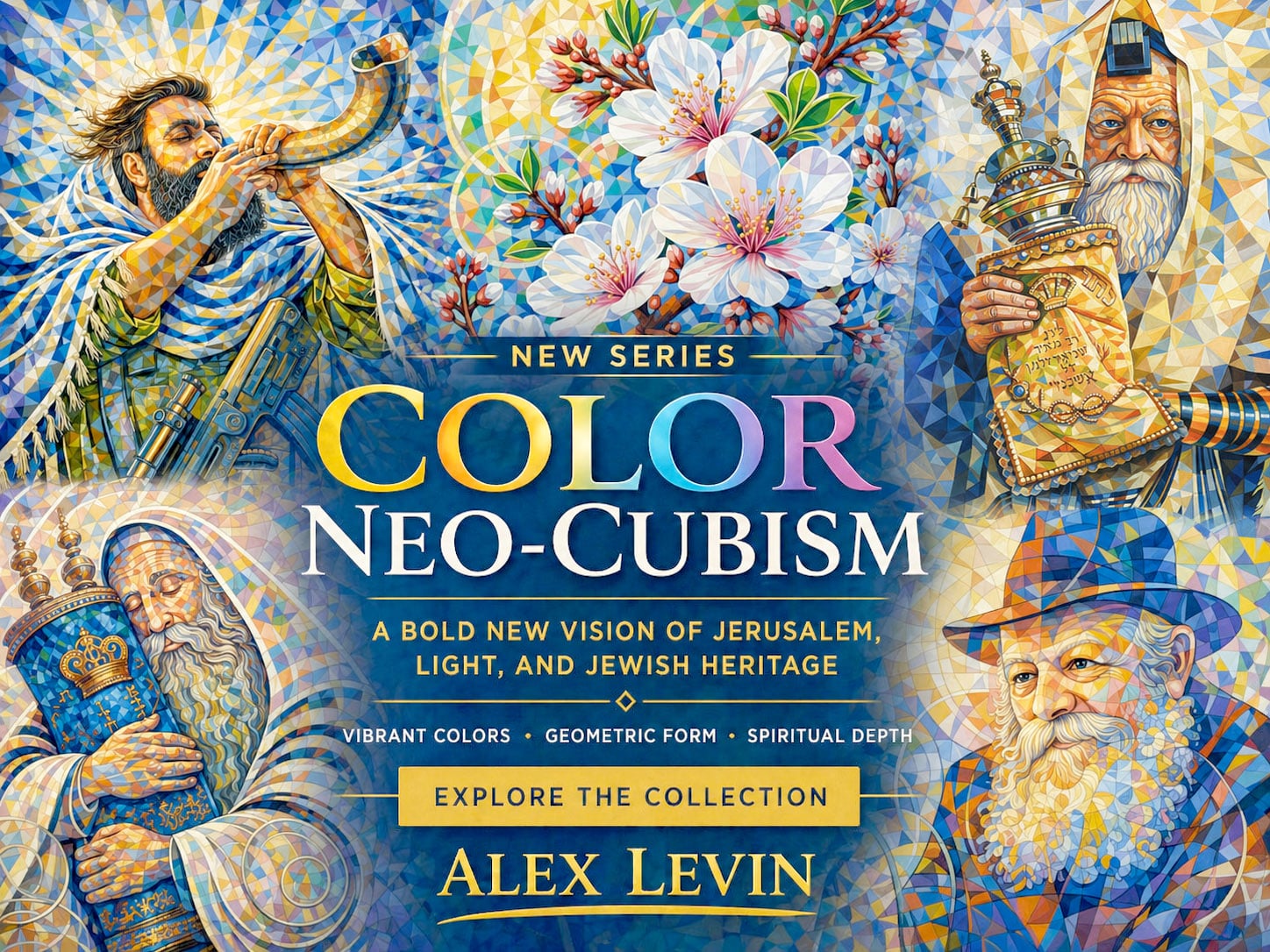
In my own work, Neo-Cubism has become a way to explore Jerusalem, Jewish life, and spiritual identity through a contemporary lens.
Rather than depicting scenes as they appear, I aim to express:
- The light of Jerusalem
- The continuity of tradition
- The emotional and spiritual energy within each moment
By combining geometric structure with vibrant color, each painting becomes more than an image – it becomes an experience.
Conclusion
Neo-Cubism is not just a revival of Cubism. It is a transformation.
It bridges past and present, structure and emotion, tradition and innovation. It allows artists to break reality apart – and rebuild it in a way that reveals something deeper.
In a world filled with images, Neo-Cubism invites us to pause, look closer, and discover meaning within the fragments.
Explore Neo-Cubism Art
Discover how this modern approach comes to life in a unique series of paintings inspired by Jerusalem, light, and Jewish heritage:
👉 https://artlevin.com/product-tag/color-neo-cubism/